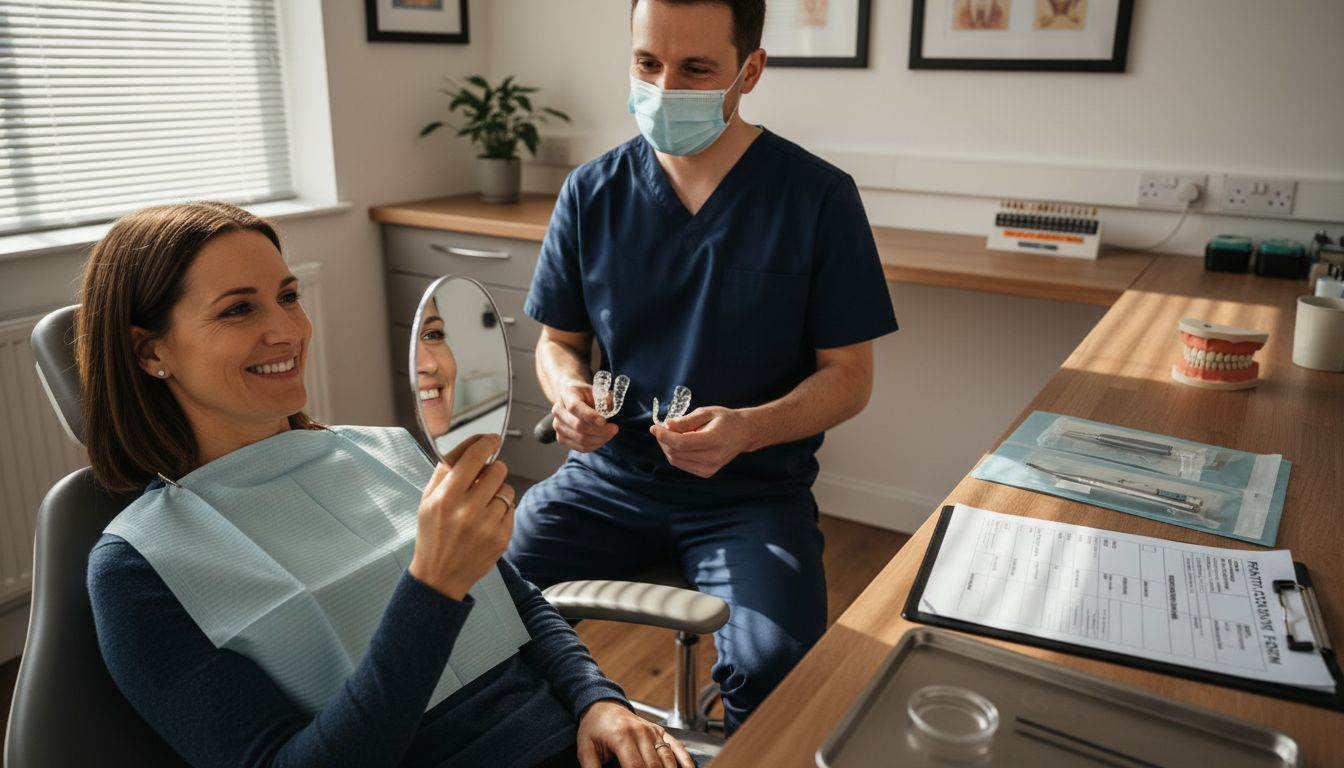
Standing out at a business meeting or social event in Fulham often starts with a confident, radiant smile. With so many factors in daily life contributing to tooth discolouration from coffee to wine and the pace of London living, achieving remarkable aesthetic results calls for advanced dental care. This article explains how modern teeth whitening works, highlights professional and at-home options, and addresses safety considerations, allowing you to select a tailored solution that matches your lifestyle and expectations.
Table of Contents
- What Teeth Whitening Really Means
- Professional And At-Home Whitening Options
- How Dental Whitening Treatments Work
- Legal And Safety Regulations In The UK
- Potential Risks, Costs And Alternatives
Key Takeaways
| Point | Details |
|---|---|
| Teeth Whitening Complexity | Teeth whitening involves sophisticated chemical processes that target intrinsic and extrinsic stains, requiring professional assessment for safe and effective outcomes. |
| Professional vs At-Home Options | Professional whitening offers immediate results with higher peroxide concentrations, while at-home methods provide convenience with gradual improvements. |
| Regulatory Standards | In the UK, teeth whitening is regulated, necessitating treatments to be performed by registered professionals and adhering to strict safety protocols. |
| Potential Risks & Alternatives | Patients should be aware of risks like tooth sensitivity and can explore alternatives like veneers or microabrasion techniques, tailored to their specific needs. |
What Teeth Whitening Really Means
Teeth whitening is more than a cosmetic procedure—it’s a sophisticated dental treatment that transforms tooth colour through precise scientific mechanisms. Advanced dental bleaching techniques fundamentally alter tooth pigmentation by targeting intrinsic and extrinsic stains, restoring teeth to their natural brilliance.
At its core, teeth whitening involves chemical processes that break down chromogenic molecules responsible for dental discolouration. These molecules, which accumulate from factors like:
- Dietary habits (coffee, red wine)
- Tobacco consumption
- Ageing processes
- Medication side effects
- Genetic predispositions
Are systematically dissolved through oxidative reactions using peroxide-based agents. Redox reactions play a critical role, enabling oxygen molecules to penetrate tooth enamel and dissolve pigmented compounds.
The scientific complexity of tooth whitening processes extends beyond simple surface-level treatments. Professional whitening techniques carefully calibrate peroxide concentrations to ensure safe, effective colour transformation while minimising potential tooth sensitivity.
Pro tip: Consult a professional dentist to understand your unique tooth composition and determine the most appropriate whitening approach for your specific dental profile.
Professional And At-Home Whitening Options
Professional and at-home teeth whitening represent two distinct yet complementary approaches to achieving a brighter smile. Comparative whitening research reveals nuanced differences in effectiveness, application methods, and potential side effects that patients should carefully consider.
Professional in-office treatments offer several distinctive advantages:
- Immediate and dramatic colour transformation
- Precise application by trained dental professionals
- Higher concentration peroxide agents
- Controlled and monitored treatment process
- Professional assessment of individual dental conditions
At-home whitening options, conversely, provide flexibility and convenience. These methods typically involve:
- Custom-fitted whitening trays
- Lower concentration peroxide gels
- Gradual colour improvement over weeks
- More affordable treatment option
- Self-administered treatment protocols
Peroxide concentration plays a critical role in determining treatment efficacy. Clinical whitening techniques demonstrate that professional treatments use significantly higher peroxide concentrations—ranging from 25% to 40%—compared to at-home alternatives, which typically contain 10-20% peroxide agents.
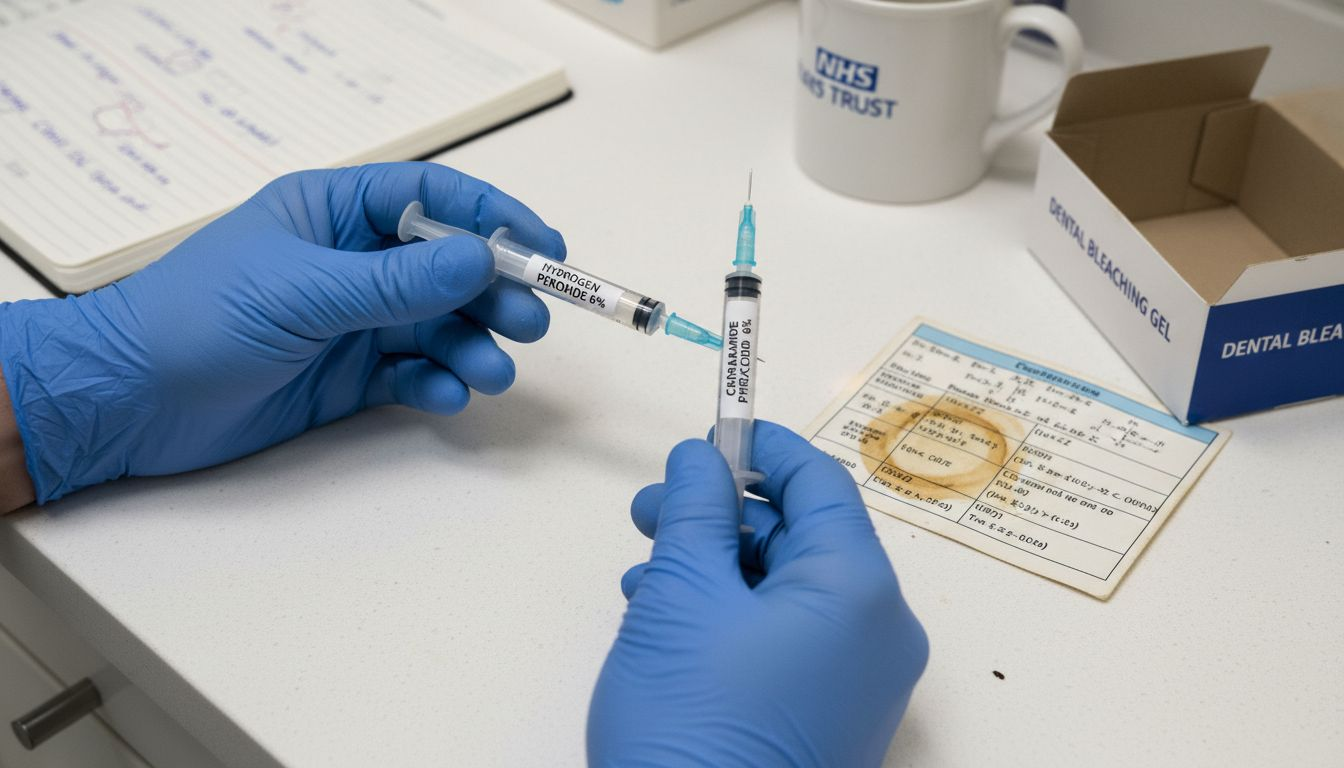
The following table highlights key distinctions between professional and at-home teeth whitening options:
| Aspect | Professional Whitening | At-Home Whitening |
|---|---|---|
| Peroxide Strength | 25–40% hydrogen peroxide | 10–20% hydrogen peroxide |
| Application Timeframe | Completed in one session | Gradual over several weeks |
| Practitioner Involvement | Supervised by dentist | Self-administered |
| Typical Price Range | £300–£1,000 | £50–£250 |
Pro tip: Consult your dental professional to determine the most suitable whitening approach based on your specific dental health, sensitivity levels, and aesthetic goals.
How Dental Whitening Treatments Work
Chemical whitening mechanisms represent a sophisticated process of molecular transformation within dental structures. These treatments fundamentally alter tooth pigmentation through precise oxidative reactions that target both surface and intrinsic stains.
The whitening process involves several critical molecular interactions:
- Generation of free radicals by peroxide agents
- Penetration of oxidising compounds into tooth enamel
- Breaking down complex chromogenic molecules
- Disrupting light-absorbing pigment structures
- Restoring natural tooth translucency
Oxidation plays a pivotal role in teeth whitening. Peroxide agents decompose into oxygen molecules that actively break down complex stain molecules, effectively ‘bleaching’ the tooth’s internal structure. These oxygen molecules penetrate microscopic enamel structures, targeting and dissolving pigmented compounds responsible for discolouration.
Molecular whitening concepts demonstrate that different types of stains require varied chemical approaches. Extrinsic stains from substances like coffee or tobacco respond differently compared to intrinsic discolourations caused by medications or genetic factors, necessitating nuanced treatment strategies.
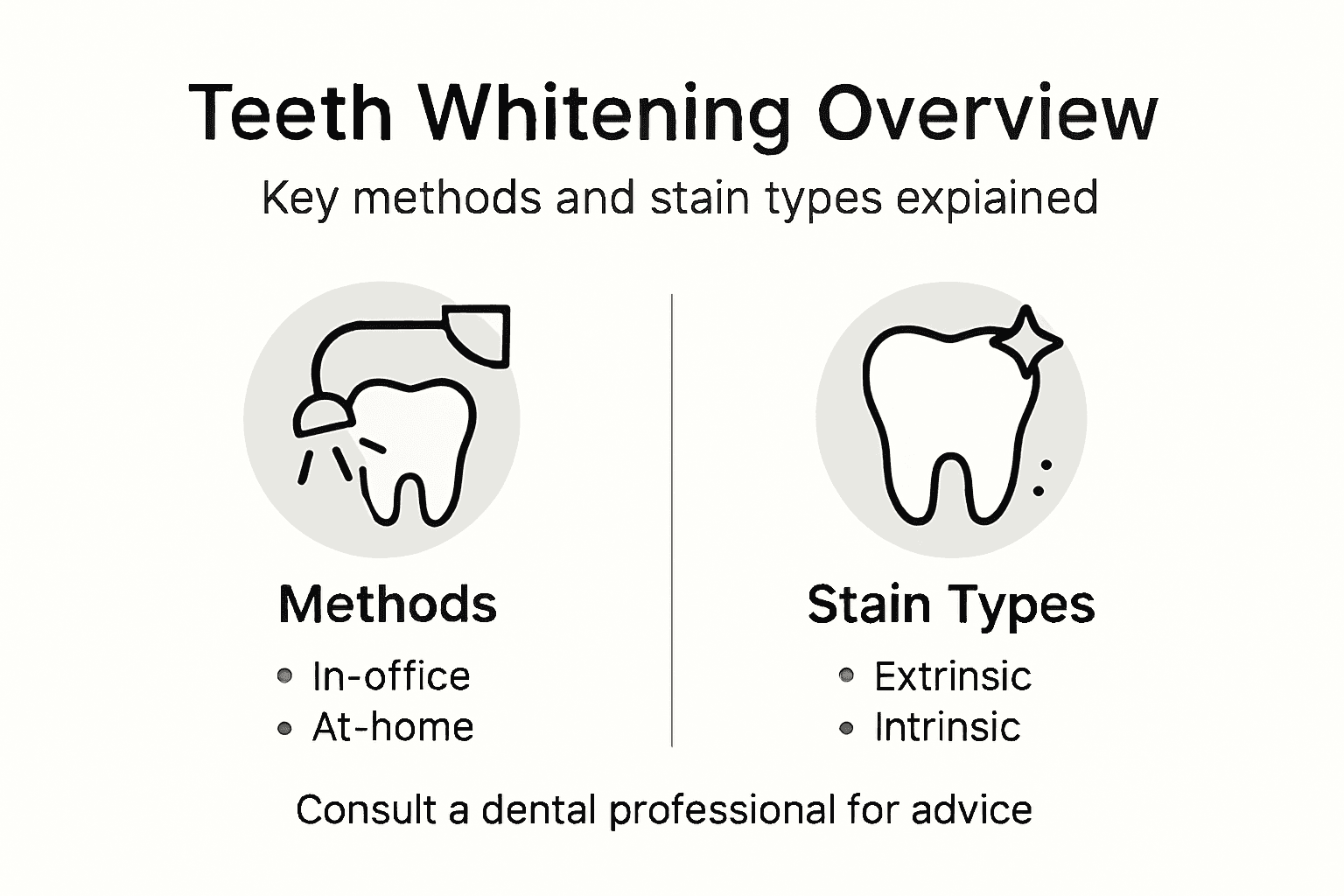
Pro tip: Request a professional dental assessment to understand your specific tooth stain composition and determine the most effective whitening approach for your unique dental profile.
Legal And Safety Regulations In The UK
Teeth whitening in the United Kingdom is subject to stringent regulatory frameworks designed to protect patient safety and ensure professional standards. Professional dental treatments are governed by comprehensive guidelines that mandate specific protocols and practitioner qualifications.
Key regulatory requirements for teeth whitening include:
- Only registered dental professionals can legally perform tooth whitening procedures
- Hydrogen peroxide concentrations are legally restricted to 6% for professional treatments
- Practitioners must conduct thorough patient health assessments before treatment
- Written informed consent is mandatory for all cosmetic dental procedures
- Age restrictions apply, with treatments typically unavailable to patients under 18
The General Dental Council plays a crucial role in maintaining these standards, ensuring that dental practitioners adhere to strict ethical and professional guidelines. Clinics must maintain comprehensive documentation, including patient medical histories, treatment records, and consent forms.
Non-compliance with these regulations can result in significant professional consequences, including potential suspension or removal from professional registers. Practitioners must also maintain current professional indemnity insurance and participate in continuous professional development to stay updated on the latest safety protocols and technological advancements.
Pro tip: Always verify your dental practitioner’s professional registration and ask to see their current certification before undergoing any teeth whitening procedure.
Potential Risks, Costs And Alternatives
Tooth whitening risks encompass a range of potential complications that patients must carefully consider before undergoing cosmetic dental treatments. Understanding these potential challenges is crucial for making informed decisions about aesthetic dental procedures.
Common risks associated with teeth whitening include:
- Tooth sensitivity to temperature changes
- Temporary gum irritation
- Potential enamel microstructure alterations
- Uneven whitening results
- Temporary increased tooth porosity
Cost considerations vary significantly across different whitening approaches. Professional in-clinic treatments typically range from £300 to £1,000, while at-home kits can cost between £50 and £250. The pricing depends on treatment complexity, practitioner expertise, and the specific whitening technique employed.
Alternative aesthetic treatments provide options for patients seeking alternative approaches to tooth colour enhancement. Potential alternatives include:
- Dental veneers
- Microabrasion techniques
- Hydroxyapatite-based whitening
- Composite bonding
- Minimally invasive aesthetic treatments
These alternatives offer different aesthetic outcomes, with varying levels of invasiveness and cost-effectiveness. Each option presents unique benefits and limitations, requiring careful consultation with dental professionals to determine the most suitable approach for individual aesthetic goals.
Here is a summary of alternative treatments to traditional tooth whitening and their characteristics:
| Alternative Treatment | Invasiveness Level | Longevity | Estimated Cost Range |
|---|---|---|---|
| Dental Veneers | Moderate | 10–15 years | £400–£1,000 per tooth |
| Microabrasion | Low | Varies | £75–£200 per tooth |
| Composite Bonding | Low to moderate | 5–7 years | £150–£400 per tooth |
| Hydroxyapatite Whitening | Minimal | Several months | £20–£50 for products |
Pro tip: Request a comprehensive dental consultation to explore personalised whitening and aesthetic alternatives tailored to your specific dental health and cosmetic objectives.
Discover Safe and Stunning Teeth Whitening at Bespoked Dental Fulham
If you are concerned about tooth sensitivity, uneven whitening results, or navigating UK legal regulations for teeth whitening, you are not alone. Many patients seek a personalised approach that combines advanced peroxide-based treatments with expert professional care. Our boutique clinic specialises in providing tailored teeth whitening solutions that focus on safety, effectiveness, and aesthetic confidence—all within a discreet and luxurious environment.
Experience the difference of Harley Street standard techniques and digital smile design with cosmetic enhancements, including professional teeth whitening supervised by our expert team. Act now to restore your smile confidently and safely by booking a consultation at Bespoked Dental Fulham. Your brighter smile awaits with care that truly understands your dental health and beauty goals.
Frequently Asked Questions
What is teeth whitening and how does it work?
Teeth whitening involves a dental treatment that transforms tooth colour by using chemical processes, primarily with peroxide-based agents. These agents break down the chromogenic molecules responsible for discolouration, restoring the natural brightness of teeth.
What are the differences between professional and at-home teeth whitening options?
Professional whitening treatments are conducted by dental professionals using higher concentration peroxide agents (25-40%) for immediate results. At-home options typically use lower concentrations (10-20%) with gradual improvement over several weeks, providing more flexibility and affordability.
Are there any risks associated with teeth whitening?
Yes, potential risks of teeth whitening include tooth sensitivity, temporary gum irritation, uneven whitening results, and possible changes to the enamel’s microstructure. It’s essential to consult with a dentist before undergoing treatment to understand your individual risks.
What alternatives to traditional teeth whitening are available?
Alternatives to traditional teeth whitening include dental veneers, microabrasion techniques, composite bonding, and hydroxyapatite-based whitening. Each method offers different aesthetic outcomes and levels of invasiveness, so it’s best to consult your dental professional for tailored advice.