
TL;DR:
- Regular dental maintenance prevents serious oral health issues and supports overall systemic health. Consistent professional care and daily hygiene work together to remove plaque and tartar, reducing treatment costs and preserving natural teeth. Regular visits also lower dental anxiety and help detect health problems early, promoting long-term wellbeing.
Dental maintenance is defined as the combination of regular professional care and daily oral hygiene that prevents disease, protects your teeth and gums, and supports your overall health. Understanding why dental maintenance is essential means recognising that most serious dental problems, from advanced gum disease to oral cancer, develop silently and are far easier to treat when caught early. Gum disease affects approximately 47% of adults over 30, yet most of those cases are preventable with consistent professional care. Regular check-ups can also raise oral cancer survival rates from 57% to over 80% at five years. The mouth is not separate from the rest of your body. What happens in your gums and teeth has direct consequences for your heart, your blood sugar, and your long-term wellbeing.
Why dental maintenance is essential: the core components
Dental maintenance operates on two levels. The first is what you do at home every day. The second is what only a dental professional can do for you in the clinic. Both are necessary, and neither replaces the other.
Professional cleanings remove calcified tartar deposits that brushing and flossing cannot reach. Once plaque hardens into tartar, no amount of home care will shift it. A hygienist uses specialist instruments to clear these deposits from below the gumline, where bacterial activity causes the most damage. Routine check-ups also allow your dentist to screen for early signs of oral cancer, tooth decay, and bone loss, conditions that show no obvious symptoms in their early stages.
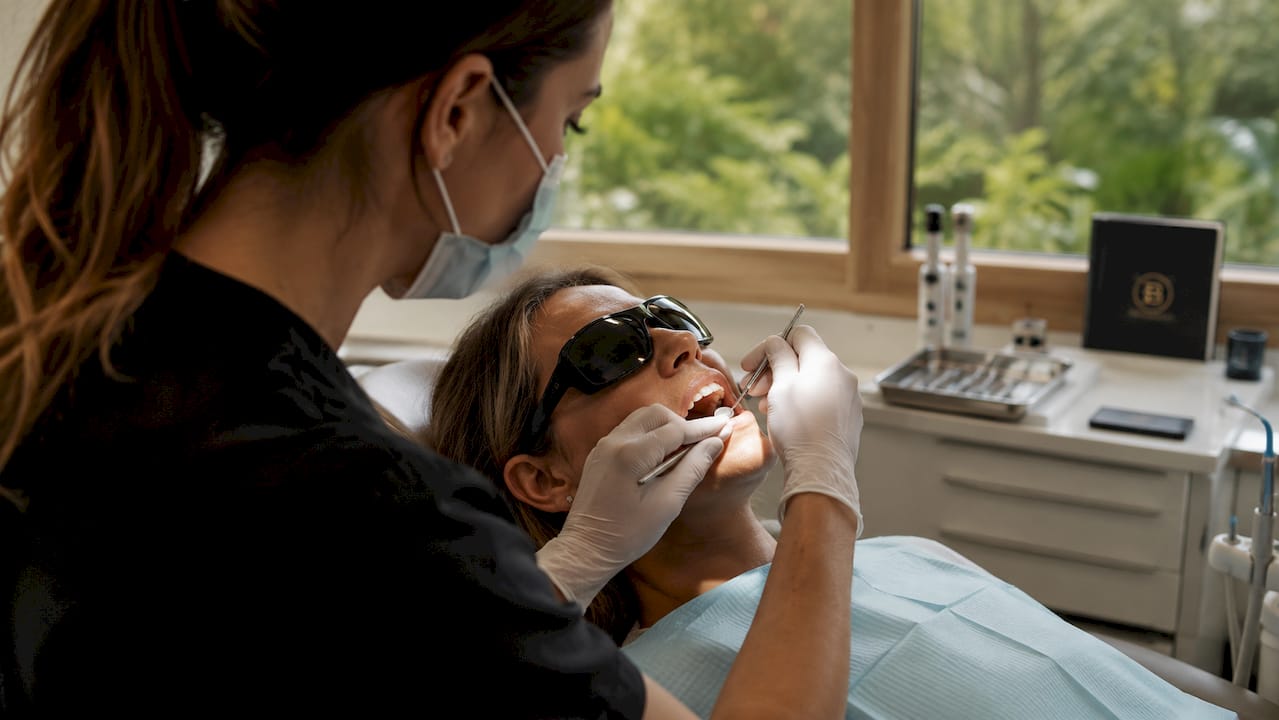
The standard recommendation of a six-monthly cleaning regimen is clinically endorsed for tartar control, though some patients with higher risk profiles benefit from visits every three months. Your dentist will advise the right interval for your circumstances.
Pro Tip: Book your next appointment before you leave the clinic. Patients who schedule ahead are significantly more likely to attend, which is the single most effective thing you can do for your oral health.
The table below shows how home care and professional maintenance work together rather than in competition.
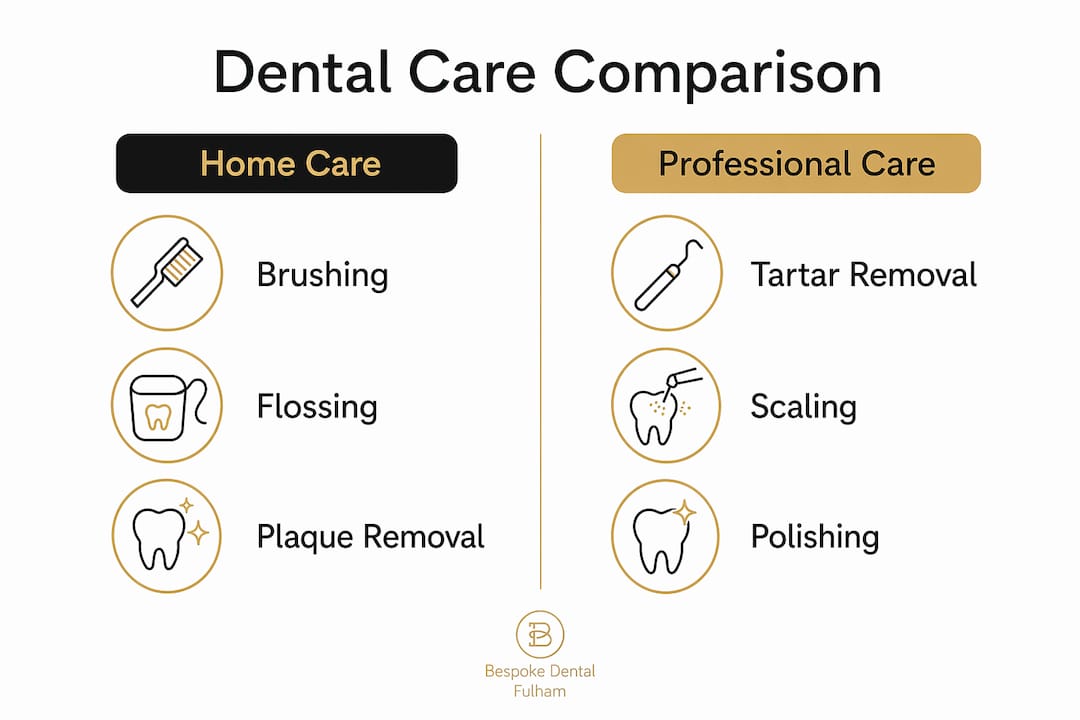
| Care type | What it does | What it cannot do |
|---|---|---|
| Daily brushing and flossing | Removes soft plaque and food debris | Cannot remove hardened tartar |
| Professional cleaning | Removes tartar and polishes enamel | Cannot replace daily plaque removal |
| Routine check-up | Detects early decay, gum disease, oral cancer | Cannot substitute for home hygiene |
| Personalised care plan | Matches visit frequency to your risk level | Requires patient compliance to work |
How does regular care prevent serious problems and reduce costs?
Prevention is the most cost-effective form of dental care available. A filling typically costs a fraction of what a root canal or extraction requires, and an extraction creates a gap that often needs an implant to restore. The cost gap between early and late treatment is significant. Costs escalate from fillings at £150–£300 to root canals and extractions exceeding £1,000, and that figure rises further when implants or bridgework are required.
The progression of gum disease illustrates this clearly. Early-stage gingivitis is reversible with a professional clean and improved home care. Left untreated, it advances to periodontitis, which causes irreversible bone loss and, eventually, tooth loss. At that stage, treatment is lengthy, expensive, and emotionally draining. Attending dental hygiene therapy at regular intervals stops this progression before it starts.
Here is how the cost and health stakes rise with each stage of neglect:
- Gingivitis — Reversible with a professional clean and better brushing. No permanent damage.
- Early periodontitis — Requires deeper cleaning under the gumline. Some bone loss may already have occurred.
- Moderate to advanced periodontitis — Needs surgical intervention, longer treatment courses, and significant cost.
- Tooth loss — Requires extraction, followed by implants or dentures to restore function and appearance.
The emotional cost of reaching stage four is real. Patients who lose teeth often report reduced confidence, difficulty eating, and social withdrawal. Avoiding that outcome costs two hygiene appointments a year.
What is the link between oral health and systemic conditions?
The mouth is a vital indicator of systemic health, and the connection between oral bacteria and body-wide inflammation is well established. Poor oral hygiene allows harmful bacteria to enter the bloodstream through inflamed gum tissue. Once circulating, those bacteria contribute to arterial inflammation, blood sugar dysregulation, and respiratory complications.
Adults with poor oral health have a 30% higher likelihood of developing heart disease. That figure is not a coincidence. It reflects the direct pathway between chronic gum inflammation and cardiovascular stress. For patients already managing diabetes or hypertension, dental maintenance becomes part of managing those conditions, not a separate concern.
“The mouth is the gateway to the body. Chronic oral infection does not stay local. It feeds systemic inflammation that drives some of the most serious long-term health conditions we treat.” — Clinical perspective cited in LIV Hospital research
The systemic benefits of good oral health include:
- Reduced inflammatory markers associated with cardiovascular disease
- Better blood sugar control in patients with type 2 diabetes
- Lower risk of respiratory infections linked to oral bacteria
- Emerging evidence connecting oral health to cognitive function in older adults
For patients in Fulham and across London managing chronic health conditions, gum disease treatment is not cosmetic. It is a clinical priority.
How does maintenance protect dental implants and vulnerable gums?
Dental implants require more rigorous maintenance than natural teeth, not less. Many patients assume that because implants cannot decay, they need less attention. The opposite is true. Peri-implantitis progresses faster than periodontitis, producing lesions twice as large and a more aggressive inflammatory response. Without strict maintenance, bone loss around an implant can become irreversible within months.
Maintenance every 3–6 months is the primary defence against bone loss and implant failure. For newly placed implants, the recommended schedule includes early recare visits at two weeks, six to eight weeks, and twelve weeks post-procedure, followed by regular three to six monthly appointments. This structured approach supports tissue healing and catches problems before they escalate.
The key benefits of a personalised implant maintenance plan include:
- Reduced probing depths around the implant site
- Lower rates of bleeding on examination, which signals active inflammation
- Early identification of bone changes before they become irreversible
- Extended implant lifespan and protection of your financial investment
Pro Tip: If you have dental implants, tell your hygienist at every visit. They will use specific instruments designed for implant surfaces that avoid damaging the titanium post.
Patients who want to understand the full picture of managing dental implants long-term will find that maintenance is the single most important factor in their success.
Does regular dental care reduce anxiety about visiting the dentist?
Dental anxiety is one of the most common reasons people avoid care, and avoidance makes anxiety worse. The less familiar the environment, the more threatening it feels. Patients who visit regularly experience decreased dental anxiety through familiarity and positive reinforcement. Each uneventful appointment builds confidence that the next one will be manageable too.
The psychology here is straightforward. Anxiety thrives on the unknown. When you attend regularly, you know the team, you know the environment, and you know what to expect. There are no surprises. Contrast that with a patient who avoids the dentist for five years and then attends with an acute problem requiring urgent treatment. That experience reinforces every fear they had.
Practical steps to reduce appointment avoidance include:
- Booking a consultation rather than a treatment appointment if you are nervous. A conversation with no instruments is a low-pressure starting point.
- Telling your dentist about your anxiety. Good dental teams adjust their approach accordingly.
- Attending for hygiene appointments first, which are typically gentler than restorative work.
- Reading about preparing for your dental consultation so you arrive knowing what to expect.
Regular attendance does not just protect your teeth. It gradually removes the fear that stops so many people from getting the care they need.
Key takeaways
Regular dental maintenance is the most cost-effective and health-protective decision you can make for your teeth, gums, and long-term systemic wellbeing.
| Point | Details |
|---|---|
| Prevention beats treatment | A routine clean costs a fraction of a root canal, extraction, or implant. |
| Professional care is irreplaceable | Tartar cannot be removed at home; only a hygienist can clear calcified deposits. |
| Oral health affects whole-body health | Poor gum health raises heart disease risk by 30% and worsens diabetes management. |
| Implants need stricter schedules | Peri-implantitis progresses faster than gum disease and requires 3–6 monthly visits. |
| Regular visits reduce dental anxiety | Familiarity with the clinic and team lowers fear and improves long-term attendance. |
What I have seen change when patients commit to maintenance
I have worked with patients across Fulham and London for long enough to see the difference that consistent maintenance makes, not just in clinical outcomes but in how people feel about their own health.
The patients who attend regularly rarely need emergency appointments. When they do come in with a problem, it is almost always caught early enough to treat simply. The patients who disappear for three or four years tend to arrive with a cluster of issues that require multiple appointments, significant cost, and sometimes the loss of a tooth that could have been saved.
What strikes me most is the shift in confidence. Patients who commit to regular care stop dreading appointments. They start asking questions, engaging with their treatment, and taking pride in their oral health. That change in attitude is not trivial. It reflects a broader shift in how they value their own wellbeing.
The cost-versus-value argument is one I make often. Two hygiene appointments a year represent a modest investment compared to the financial and emotional cost of advanced treatment. More than that, they protect the natural teeth you have, which no restoration fully replaces.
If you are in Fulham, Parsons Green, Hammersmith, Chelsea, or anywhere across SW6, the most straightforward thing you can do for your long-term health is to book a hygiene appointment and keep it.
— Amit
Take the next step with Bespokedentalfulham in Fulham
Bespokedentalfulham offers tailored maintenance plans designed around your specific oral health needs, whether you are maintaining healthy teeth, managing gum disease, or protecting a dental implant investment.
At our Fulham clinic, every hygiene appointment is part of a broader picture of your dental wellness. We combine professional cleaning with thorough check-ups, personalised advice, and access to the full range of restorative and cosmetic treatments available at Harley Street standard. If you are ready to protect your smile and your health, book your hygiene appointment with Bespokedentalfulham today. Patients across Fulham, Chelsea, and Parsons Green trust us with their long-term dental care. We would be glad to welcome you.
FAQ
How often should I visit the dentist for maintenance?
Most adults benefit from a professional clean and check-up every six months. Patients with gum disease, dental implants, or higher decay risk may need visits every three months.
What does a dental hygiene appointment actually involve?
A hygienist removes tartar and plaque from above and below the gumline, polishes the teeth, and advises on home care. The appointment typically takes 45–60 minutes and is not painful for most patients.
Can poor oral health really affect my heart?
Adults with poor oral health have a 30% higher risk of heart disease. Oral bacteria enter the bloodstream through inflamed gum tissue and contribute to arterial inflammation.
Why do dental implants need more frequent maintenance?
Peri-implantitis progresses faster than periodontitis and can cause severe bone loss without regular professional care. Implant patients should attend every 3–6 months as a minimum.
Will regular dental visits help with my anxiety?
Yes. Regular professional visits reduce dental anxiety by building familiarity with the environment and team. Most patients find that consistent attendance makes each appointment feel progressively less daunting.