TL;DR:
- Restorative dentistry repairs or replaces damaged or missing teeth to restore function and appearance.
- Options include direct restorations completed in one visit and indirect restorations fabricated in a laboratory for more extensive damage.
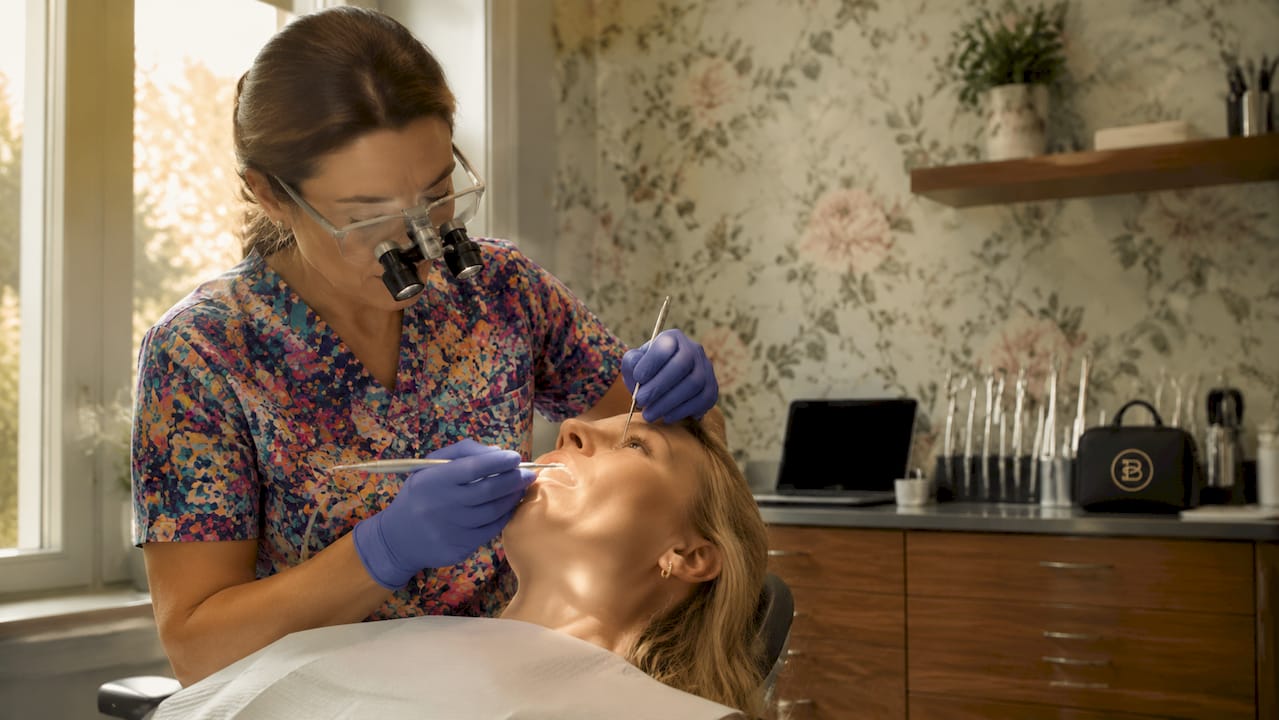
Restorative dentistry options are dental procedures designed to repair or replace damaged, decayed, or missing teeth, restoring both function and appearance. The field divides into two main categories: direct restorations, completed in a single visit, and indirect restorations, which are fabricated in a laboratory and fitted across two or more appointments. Treatments range from simple composite fillings to dental implants, crowns, bridges, and dentures, each suited to different levels of tooth damage. In Fulham and across London, the best restorative dental treatments are chosen based on a thorough clinical assessment, your aesthetic goals, and your budget. Understanding your options before you sit in the chair makes that conversation far more productive.
1. what are restorative dentistry options?
Restorative dentistry is the recognised clinical term for treatments that rebuild teeth damaged by decay, fracture, or wear, or that replace teeth lost entirely. The goal is always twofold: restore the tooth’s function so you can eat and speak comfortably, and restore its appearance so you feel confident. Types of dental restorations span a wide spectrum, from a straightforward white filling to a full-arch implant-supported bridge. Knowing where your situation sits on that spectrum is the starting point for every treatment plan at a private Fulham practice.
2. direct restorations: single-visit repairs
Direct restorations are completed in one appointment, with materials placed and hardened directly inside the tooth. They suit minor to moderate damage, such as small cavities, chipped edges, or early decay.
The three most common direct options are:
- Composite resin fillings: Tooth-coloured material bonded to the tooth surface. Ideal for front teeth and visible areas where aesthetics matter.
- Amalgam fillings: A silver-grey metal alloy. Extremely durable under heavy bite pressure, making it a practical choice for back molars, though less commonly used today due to aesthetic preferences.
- Glass ionomer cement: Releases fluoride over time, which makes it useful for patients with a higher cavity risk or for restoring teeth near the gum line.
Material choice depends on tooth location, bite pressure, and your aesthetic priorities. Composite suits front teeth beautifully; amalgam and glass ionomer handle the functional demands of back teeth more reliably.
The main advantage of direct restorations is speed. One appointment, no laboratory wait, and generally lower cost than indirect alternatives. The limitation is scope. If the cavity or fracture is large, a filling will not provide sufficient structural support, and an indirect restoration becomes necessary.
Pro Tip: Ask your dentist whether composite bonding is suitable before committing to a crown. For minor chips or small cavities on front teeth, composite bonding can achieve excellent results in a single visit at a fraction of the cost.
3. indirect restorations: lab-made solutions for greater damage
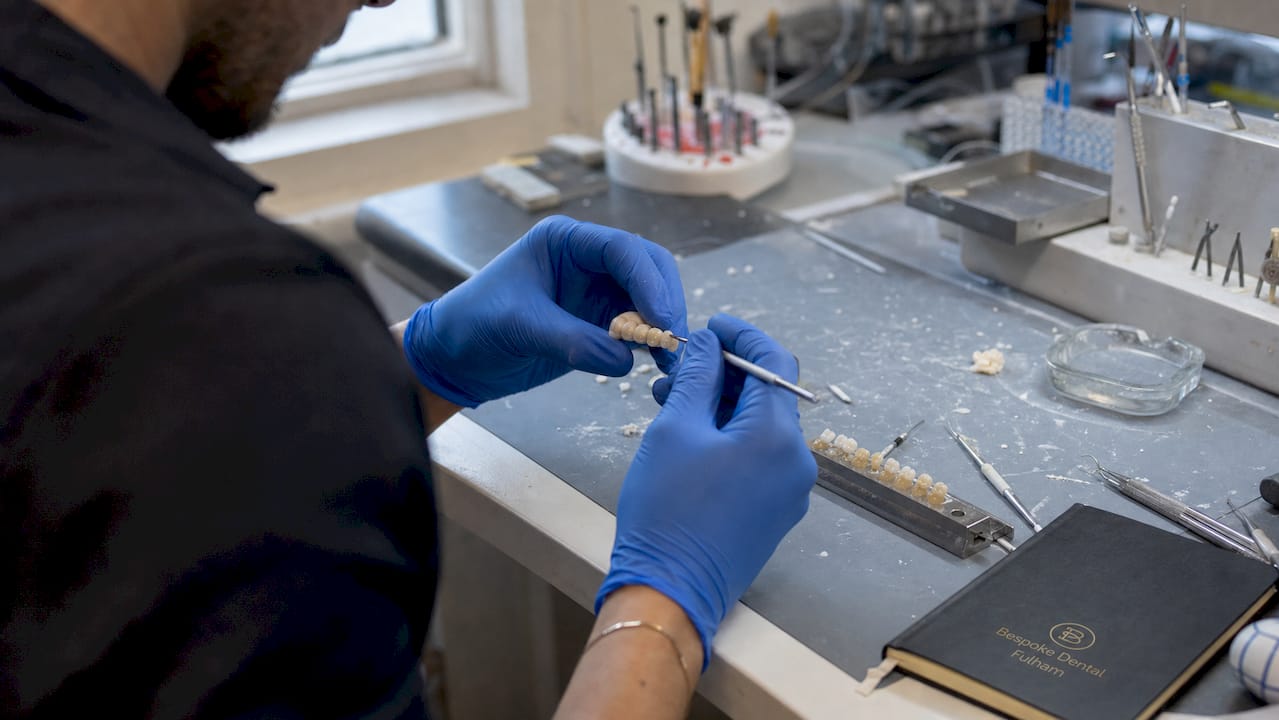
Indirect restorations are indicated when tooth structure loss is too extensive for a direct filling to restore reliably. They are fabricated in a dental laboratory to precise measurements taken from your mouth, then bonded or cemented in place at a second appointment.
The main types are:
- Crowns: A full cap that covers the entire visible tooth. Used after root canal treatment, severe decay, or fracture.
- Bridges: A fixed prosthesis that spans a gap left by one or more missing teeth, anchored to adjacent natural teeth.
- Inlays and onlays: Intermediate restorations that sit within or over the cusps of a back tooth. They preserve more natural tooth structure than a full crown.
- Veneers: Thin porcelain or composite shells bonded to the front surface of teeth, primarily for aesthetic improvement.
Materials include porcelain, zirconia, and gold alloys. Porcelain and zirconia offer excellent aesthetics and are virtually indistinguishable from natural teeth. Gold alloys provide outstanding durability for back teeth under heavy chewing forces, though they are rarely chosen for visible areas.
Crowns and bridges typically last 10–15 years with good oral hygiene. That longevity depends heavily on how well you maintain them at home and how regularly you attend check-ups at your Fulham clinic.
Pro Tip: If you are having a crown fitted, ask about zirconia. It combines the strength of metal with the appearance of porcelain, making it an excellent choice for both front and back teeth.
| Feature | Direct Restoration | Indirect Restoration |
|---|---|---|
| Number of visits | 1 | 2 or more |
| Fabrication | Chairside | Dental laboratory |
| Best suited for | Minor to moderate damage | Moderate to severe damage |
| Materials | Composite resin, amalgam, glass ionomer | Porcelain, zirconia, gold alloy |
| Typical lifespan | 5–10 years | 10–15+ years |
| Relative cost | Lower | Higher |
4. dental implants vs other options for missing teeth
Dental implants replace both the root and the crown of a missing tooth, preserving the jawbone and offering success rates above 95% when properly maintained. No other restoration replicates the full structure of a natural tooth in this way.
The key advantages of implants over bridges and dentures include:
- Bone preservation: The titanium implant post stimulates the jawbone, preventing the bone loss that occurs after tooth extraction.
- Independence: Implants do not rely on neighbouring teeth for support, so adjacent healthy teeth remain untouched.
- Longevity: With proper care, implants can last decades. Crowns and bridges typically last 10–15 years before requiring replacement.
- Function: Implants feel and function like natural teeth, with no movement or dietary restrictions.
| Restoration | Bone Preservation | Adjacent Teeth Affected | Typical Lifespan | Relative Cost |
|---|---|---|---|---|
| Implant | Yes | No | 20+ years | Highest |
| Bridge | No | Yes (preparation required) | 10–15 years | Moderate |
| Denture | Partial | No | 5–10 years | Lowest |
Bridges remain a strong option when implants are not suitable, for example where bone volume is insufficient or where a patient prefers a faster treatment timeline. Dentures are the most accessible option by cost and are increasingly well-made, though they require more daily maintenance than fixed restorations.
For a detailed breakdown of implant costs in Fulham, the investment varies depending on the number of implants, the type of crown used, and whether bone grafting is required. Understanding the full cost picture before you commit is always worthwhile.
5. how to choose restorative dentistry in fulham, london
Restorative treatment planning must be personalised after thorough clinical and digital imaging assessment to accommodate your lifestyle and functional needs. There is no single correct answer for every patient.
The factors that most influence the right choice are:
- Extent of damage: A small cavity calls for a filling. A tooth with more than 50% of its coronal structure lost often requires a post and core build-up before a crown can be placed.
- Tooth position: Front teeth demand high aesthetic standards. Back teeth must withstand significant bite pressure. The right material differs for each.
- Oral hygiene habits: Restorations last longer in well-maintained mouths. If you are prone to decay, your dentist will factor that into material selection.
- Aesthetic expectations: If the appearance of your smile matters to you, porcelain and zirconia options will be prioritised over metal alternatives.
- Budget: Private dental care in Fulham offers a wide range of price points. Being open about your budget allows your dentist to propose the best option within your means.
Clinicians emphasise saving natural teeth whenever possible for their biomechanical and sensory benefits. A restored natural tooth provides bite pressure feedback that no artificial replacement can fully replicate. Extraction and implant placement should be considered only when the tooth is genuinely beyond saving.
Digital imaging and advanced dental technology allow Fulham dentists to assess your tooth structure in detail before recommending a treatment path. This removes guesswork and helps you understand exactly what is proposed and why.
6. caring for your restorations for lasting results
A restoration is only as good as the care it receives. The advantages of restorative dentistry are fully realised only when you maintain your results consistently.
Daily habits that protect your restorations include:
- Brushing twice daily with a fluoride toothpaste, using a soft-bristled brush that will not scratch porcelain or composite surfaces.
- Flossing around crowns and bridges every day to prevent decay at the margins where the restoration meets the tooth.
- Avoiding very hard foods such as ice or hard sweets that can crack porcelain or dislodge a filling.
- Wearing a night guard if you grind your teeth. Bruxism is one of the most common causes of premature restoration failure.
Regular check-ups at your Fulham or Parsons Green clinic allow your dentist to catch any early signs of wear, marginal leakage, or gum changes around restorations before they become costly problems. Most private practices recommend a check-up every six months.
Modern restorative procedures are performed under local anaesthesia and are nearly painless. If dental anxiety has previously stopped you from seeking treatment, sedation options are available at private clinics in Fulham to make every appointment comfortable and manageable.
Key takeaways
The most effective restorative dentistry approach matches the treatment type and material to the specific extent of tooth damage, your aesthetic goals, and your long-term maintenance commitment.
| Point | Details |
|---|---|
| Direct vs indirect | Direct fillings suit minor damage in one visit; indirect restorations handle severe damage across two appointments. |
| Implants for missing teeth | Implants preserve bone and last longest, but bridges and dentures remain valid alternatives depending on suitability and budget. |
| Save natural teeth first | Restoring a damaged natural tooth is preferable to extraction wherever clinically viable, due to superior function and bite feedback. |
| Material matters | Porcelain and zirconia offer the best aesthetics; metal alloys provide maximum durability for high-pressure back teeth. |
| Maintenance is non-negotiable | Crowns and bridges last 10–15 years only with consistent hygiene and regular professional check-ups. |
What i have learnt about restorative choices after years in practice
The question I hear most often is: “What would you do if it were your tooth?” My honest answer is always the same. I would save the natural tooth if there is any reasonable way to do so. Preserving a natural tooth gives you something no implant or bridge can fully replicate: the proprioceptive feedback that tells your jaw how hard to bite and when to ease off. That is not a small thing.
What I have also learnt is that patients often arrive having already decided what they want, based on something they read online or a friend’s experience. Sometimes that instinct is right. Often, a proper clinical assessment reveals a simpler or more cost-effective path they had not considered. A tooth that looks beyond saving on a quick visual inspection can sometimes be restored with a post and core build-up followed by a crown. Equally, a tooth that looks salvageable sometimes has root or bone problems that make extraction the kinder long-term choice.
The other thing worth saying plainly: cost should not force you into a worse clinical outcome. If budget is a concern, discuss it openly. A good private practice in Fulham will work with you to phase treatment sensibly, addressing the most urgent needs first and planning the rest over time. That is a far better outcome than avoiding the dentist altogether.
— Amit
How Bespokedentalfulham can help you restore your smile
Bespokedentalfulham is a private boutique practice in Fulham, London, offering the full range of restorative treatments from composite fillings and porcelain crowns to dental implants in Fulham. Every treatment plan is built around a thorough clinical assessment and digital imaging, so you receive a recommendation tailored to your specific situation rather than a one-size-fits-all approach. Sedation options are available for patients who find dental visits stressful. The team works to Harley Street standard techniques in a calm, discreet environment that puts your comfort first.
If you are ready to explore how restorative and cosmetic care can improve both your oral health and your confidence, book a consultation with Bespokedentalfulham today. The first step is simply a conversation.
FAQ
What is the difference between direct and indirect dental restorations?
Direct restorations such as composite fillings are placed and completed in a single visit, while indirect restorations such as crowns and bridges are made in a laboratory and fitted across two or more appointments.
How long do dental crowns and bridges last?
With good oral hygiene and regular check-ups, crowns and bridges typically last 10–15 years. Implants can last significantly longer with proper care.
Are restorative dental procedures painful?
Most restorative procedures are performed under local anaesthesia and cause minimal discomfort. Sedation options are available at private Fulham clinics for patients with dental anxiety.
How do i choose between a dental implant and a bridge?
Implants are generally preferred when bone volume is sufficient and long-term durability is the priority, as they preserve the jawbone and do not affect adjacent teeth. Bridges suit patients who want a faster treatment or where implants are clinically unsuitable. See a detailed implant vs root canal comparison for further guidance.
What affects the cost of dental restoration options in london?
Cost depends on the type of restoration, the materials used, the complexity of the case, and the location of the practice. In Fulham and across London, private dental fees reflect the quality of materials and the level of clinical expertise involved.