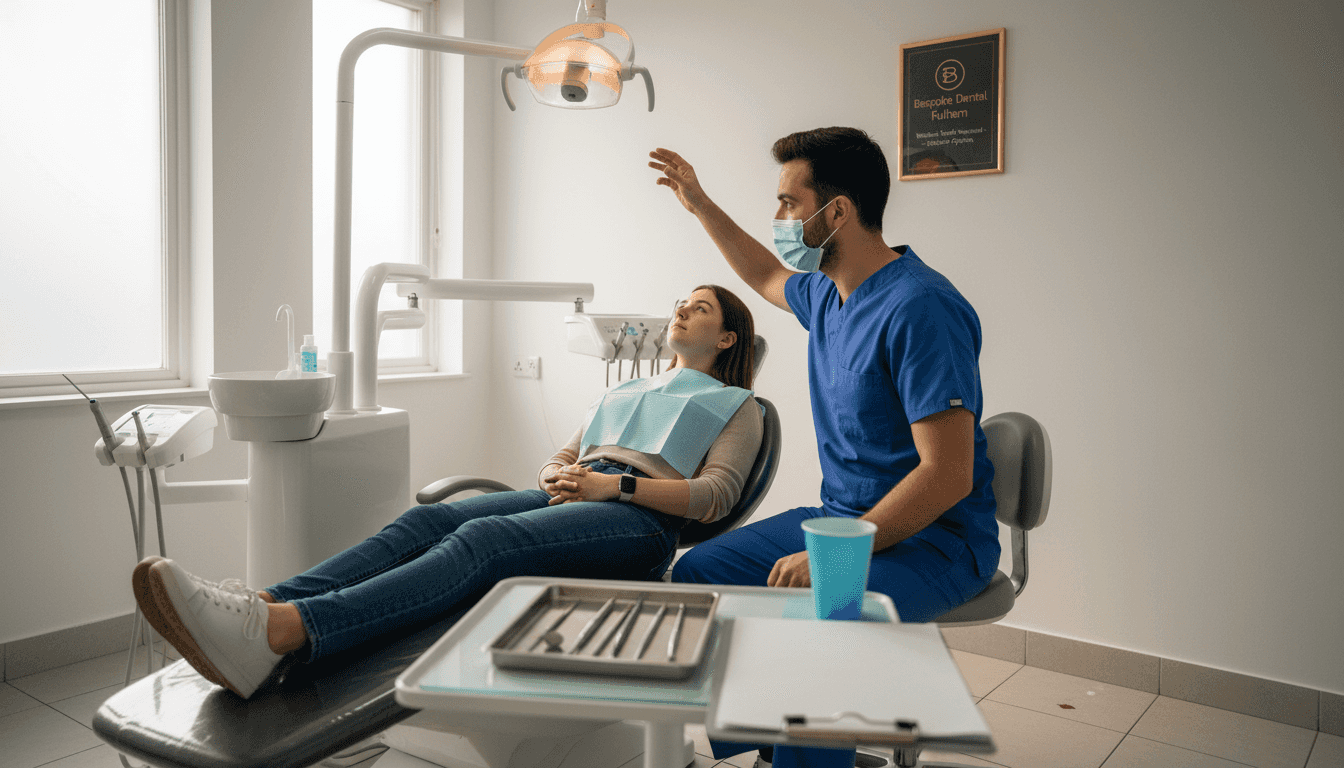
Top 4 sedation options for wisdom tooth removal Fulham 2026
Choosing the right sedation for wisdom tooth removal can feel overwhelming, especially when anxiety clouds your judgement. Many adults in Fulham hesitate because they don’t understand the differences between sedation types or which suits their needs. This article breaks down the top four sedation options available in Fulham, helping you make an informed, personalised choice that prioritises your comfort and safety.
Table of Contents
- Selection Criteria For Sedation: How To Choose The Right Option
- Local Anaesthesia With Nitrous Oxide
- Oral Sedation
- Intravenous (IV) Sedation
- General Anaesthesia
- Comparison And Summary Table Of Sedation Options
- Situational Recommendations: Choosing Your Sedation Based On Needs
- Explore Expert Wisdom Tooth Removal And Sedation Care In Fulham
- Frequently Asked Questions
Key takeaways
| Point | Details |
|---|---|
| Sedation choice factors | Your decision depends on anxiety level, health history, procedure complexity, recovery time, and cost. |
| Nitrous oxide benefits | Offers quick recovery with mild to moderate anxiety relief, allowing you to drive home immediately. |
| Oral sedation trade-offs | Provides moderate anxiety reduction but requires longer recovery and a responsible escort. |
| IV sedation advantages | Suits severe anxiety and complex cases with rapid effect and adjustable depth. |
| General anaesthesia use | Reserved for extreme cases with hospital-standard facilities and extended 24-hour recovery. |
Selection criteria for sedation: how to choose the right option
Before exploring specific sedation types, you need to understand what drives the selection process. Choosing sedation depends critically on patient anxiety level, medical history, procedural complexity, and personal preference. Your anxiety about dental procedures tops the list. Mild nervousness responds well to lighter sedation, whilst severe phobia often requires deeper options.
Your medical history matters significantly. Conditions like respiratory issues, heart problems, or allergies can rule out certain sedation methods. Your dentist must review your complete health profile before recommending any option. Procedure complexity also influences the choice. Simple extractions typically need less sedation than impacted wisdom teeth requiring surgical removal.
Recovery time impacts your daily life directly. Some sedation methods let you return to work the same day, whilst others require 24 hours of rest. Cost varies widely across sedation types, ranging from £150 for basic options to over £1,000 for general anaesthesia in London clinics. Fulham practices offer different sedation options based on their facilities and staff qualifications.
Professional consultation remains essential. Never self-select sedation based solely on cost or convenience. Your dentist assesses multiple factors simultaneously to recommend the safest, most effective option for your unique situation.
Key selection factors:
- Anxiety level and dental phobia severity
- Complete medical history and current medications
- Complexity of the extraction procedure
- Recovery time and impact on daily schedule
- Budget and insurance coverage
- Clinic capabilities and staff qualifications
Pro Tip: Schedule a pre-procedure consultation specifically to discuss sedation options. Bring a list of all medications, allergies, and health conditions to help your dentist make the best recommendation.
Local anaesthesia with nitrous oxide
Nitrous oxide, commonly called laughing gas, represents the most popular sedation choice for wisdom tooth removal in Fulham. This inhaled sedation combines with local anaesthesia to keep you comfortable whilst maintaining full consciousness. You breathe the gas through a small mask, feeling relaxed within minutes whilst remaining aware of your surroundings.
The method boasts a strong safety profile with minimal side effects and no significant respiratory or cardiovascular risks in healthy adults. Recovery happens almost immediately once the mask comes off. Most patients drive themselves home without assistance, resuming normal activities within hours. This makes nitrous oxide ideal for busy professionals who cannot afford extended downtime.
Costs typically range from £150 to £300 in London clinics, making it the most affordable sedation option. The quick onset means no pre-procedure fasting requirements. Side effects rarely occur, but some patients report mild headaches or nausea that resolve quickly. The gas leaves your system completely within minutes of removal.
This option suits patients with mild to moderate anxiety who want to stay aware during the procedure. It works brilliantly for straightforward wisdom tooth extractions without complications. However, patients with severe dental phobia or complex surgical needs often require deeper sedation.
Nitrous oxide advantages:
- Rapid onset within 2 to 3 minutes
- Immediate recovery allowing same-day driving
- Minimal side effects and strong safety record
- No pre-procedure fasting needed
- Most affordable sedation option
- Easily adjustable during procedure
Pro Tip: If you feel anxious but want to remain conscious and recover quickly, nitrous oxide offers the perfect balance. Request a test session during your consultation to experience the sensation before committing.
Oral sedation
Oral sedation uses benzodiazepines like diazepam or midazolam in tablet form, taken approximately one hour before your procedure. This method produces moderate sedation but has slower onset and longer recovery than nitrous oxide. You’ll feel drowsy and relaxed, with reduced anxiety and often limited memory of the procedure.
The sedation depth varies significantly between patients. Some feel mildly relaxed whilst others become quite drowsy. This unpredictability represents the main drawback. Oral sedation risks include variability in patient response and potential for prolonged sedation effects. Recovery typically lasts 4 to 6 hours, with residual drowsiness persisting up to 24 hours.
You must fast for at least 6 hours before taking oral sedation. A responsible adult must accompany you to the appointment and drive you home afterwards. Approximately 10 to 15% of patients experience prolonged sedation effects requiring extended monitoring. London clinics charge between £200 and £350 for oral sedation, positioning it mid-range in cost.
This option works best for patients with moderate anxiety who prefer oral medication over inhalation or intravenous methods. It suits those willing to accept longer recovery in exchange for deeper relaxation than nitrous oxide provides. Patients taking certain medications must consult carefully, as drug interactions can occur.
Oral sedation considerations:
- Onset takes 30 to 60 minutes before effect
- Recovery lasts 4 to 6 hours minimum
- Requires 6-hour pre-procedure fasting
- Mandatory escort and no driving for 24 hours
- Variable patient response and effectiveness
- Mid-range cost at £200 to £350
Intravenous (IV) sedation
IV sedation delivers medication directly into your bloodstream through a small needle in your arm or hand. This method acts rapidly within 5 minutes, creating a deeply relaxed state whilst maintaining some level of consciousness. Your dentist can easily adjust the sedation depth throughout the procedure, making it highly controllable and precise.

Patients consistently rate IV sedation highest for comfort and anxiety relief. The procedure time reduces by approximately 20% compared to lighter sedation methods because you remain perfectly still and cooperative. Most patients have little to no memory of the procedure afterwards, which many find reassuring. You’ll need professional monitoring throughout, requiring specialised staff and equipment.
Recovery typically takes 2 to 4 hours, during which you’ll rest at the clinic under supervision. You cannot drive for 24 hours and must have a responsible adult collect you. Pre-procedure fasting for 6 to 8 hours is mandatory. Side effects can include drowsiness, nausea, or temporary memory gaps, though these resolve within hours.
Costs range from £400 to £700 in Fulham, reflecting the specialised staff and monitoring requirements. Despite the higher price, patients with severe anxiety or complex extractions often find IV sedation worthwhile. It represents the sweet spot between effectiveness and safety for many adults facing difficult wisdom tooth removal.
IV sedation benefits:
- Extremely rapid onset within 5 minutes
- Easily adjustable depth during procedure
- Highest patient comfort ratings
- Reduces procedure time by about 20%
- Excellent for severe anxiety cases
- Minimal memory of procedure
Pro Tip: If you have severe dental anxiety or face a complex extraction, IV sedation offers superior comfort without the risks of general anaesthesia. Discuss your anxiety level openly to determine if this investment suits your needs.
General anaesthesia
General anaesthesia represents the deepest sedation level, rendering you completely unconscious throughout the procedure. It’s used for complex wisdom tooth removal or patients unable to tolerate lighter sedation, requiring an anaesthesiologist and hospital-like setting. You’ll have no awareness or memory of the surgery whatsoever.
This method is reserved for extreme situations: patients with severe dental phobia unresponsive to other sedation, highly complex surgical extractions, or special medical needs. It requires sophisticated equipment, continuous monitoring, and specialist medical staff. Most general anaesthesia procedures occur in hospital settings or advanced surgical centres rather than standard dental practices.
Recovery extends up to 24 hours, with initial waking taking 1 to 2 hours under close supervision. General anaesthesia carries higher risks including nausea, prolonged sedation, and rare but serious complications like respiratory depression. Less than 2% of properly administered cases experience adverse events, but the risk profile exceeds all other sedation options.
Costs often exceed £1,000 at London boutique clinics, reflecting the anaesthesiologist fees, facility requirements, and extended monitoring. You’ll need comprehensive pre-procedure assessment including blood tests and health screening. Post-procedure, you require 24-hour supervision at home and cannot drive, work, or make important decisions for at least a day.
“General anaesthesia should only be considered when lighter sedation methods are contraindicated or when the surgical complexity absolutely demands complete patient immobility and unconsciousness.”
General anaesthesia requirements:
- Requires qualified anaesthesiologist present
- Hospital-standard facilities mandatory
- Extended recovery up to 24 hours
- Comprehensive pre-procedure health screening
- Higher risk profile than other options
- Costs typically exceed £1,000
Comparison and summary table of sedation options
Understanding the differences between sedation methods becomes clearer when you see them side by side. This table summarises the key aspects of each option, helping you quickly identify which aligns with your needs, budget, and anxiety level.
| Sedation Type | Onset Time | Recovery Period | Approximate Cost | Anxiety Relief | Best Suited For |
|---|---|---|---|---|---|
| Nitrous Oxide | 2-3 minutes | Immediate | £150-£300 | Mild to moderate | Quick procedures, mild anxiety, need to drive home |
| Oral Sedation | 30-60 minutes | 4-6 hours | £200-£350 | Moderate | Moderate anxiety, comfortable with longer recovery |
| IV Sedation | 5 minutes | 2-4 hours | £400-£700 | High | Severe anxiety, complex extractions, maximum comfort |
| General Anaesthesia | Immediate | Up to 24 hours | £1,000+ | Complete | Extreme anxiety, very complex surgery, special medical needs |
The cost increases correlate directly with sedation depth and monitoring requirements. Safety profiles remain excellent across all options when administered by qualified professionals, though risk increases with sedation depth. Your choice should balance effectiveness, recovery constraints, and budget whilst prioritising safety above all else.
Most Fulham adults choosing wisdom tooth extraction select either nitrous oxide or IV sedation. These methods offer the best balance between comfort and practicality. For comprehensive guidance on the entire extraction process, explore our detailed wisdom tooth removal guide covering preparation, procedure, and recovery.
Situational recommendations: choosing your sedation based on needs
Your personal situation should guide your final sedation choice. If you experience mild anxiety and value quick recovery, nitrous oxide fits perfectly. You’ll stay aware, recover immediately, and drive yourself home. This suits busy professionals who cannot afford downtime and patients comfortable with remaining conscious during treatment.
For moderate anxiety with willingness to accept longer recovery, oral sedation provides deeper relaxation than nitrous oxide. You’ll feel drowsy and relaxed, with limited procedure memory. This suits patients preferring oral medication and those with flexible schedules allowing 24-hour recovery time.
Severe anxiety, complex extractions, or special health conditions point towards IV sedation. Despite higher costs, the superior comfort, adjustable depth, and reduced procedure time make it worthwhile. Patients who’ve had traumatic dental experiences or face surgical wisdom tooth removal particularly benefit from this option.
General anaesthesia remains reserved for extreme situations only. If you have uncontrollable dental phobia, extremely complex surgical needs, or specific medical conditions preventing lighter sedation, this becomes necessary. The extended recovery and higher costs require careful consideration.
Matching sedation to your needs:
- Mild anxiety plus quick recovery need equals nitrous oxide
- Moderate anxiety plus oral medication preference equals oral sedation
- Severe anxiety plus complex procedure equals IV sedation
- Extreme phobia plus special medical needs equals general anaesthesia
- Budget constraints favour nitrous oxide or oral sedation
- Maximum comfort priority justifies IV sedation investment
Explore expert wisdom tooth removal and sedation care in Fulham
Now that you understand your sedation options, finding the right dental practice matters enormously. Bespoke Dental Fulham specialises in personalised wisdom tooth removal with tailored sedation options matching your anxiety level and procedure complexity.
Our experienced team prioritises your comfort and safety throughout the entire process. We conduct thorough consultations to understand your concerns, review your medical history, and recommend the most appropriate sedation method. From straightforward extractions under nitrous oxide to complex surgical cases requiring IV sedation, we deliver expert wisdom tooth extraction services in a serene, discreet environment. Book your consultation today to explore which sedation option suits your unique needs.
Frequently asked questions
What is the safest sedation method for wisdom tooth removal?
Nitrous oxide demonstrates the strongest safety profile for healthy adults, with adverse events occurring in less than 1% of cases. General anaesthesia remains safe when administered by qualified professionals but carries higher risks including respiratory depression and prolonged sedation. Your individual health status ultimately determines which method is safest for you specifically.
How long does it take to recover from oral sedation?
Recovery from oral sedation typically requires 4 to 6 hours before you feel normal again. Residual drowsiness can persist for up to 24 hours, during which you must avoid driving, operating machinery, or making important decisions. Always arrange for a responsible adult to accompany you home and supervise you during the initial recovery period.
Can I drive home after nitrous oxide sedation?
Yes, nitrous oxide sedation allows for immediate recovery, and most patients safely drive themselves home after treatment. The gas leaves your system completely within minutes of mask removal. However, always confirm with your dental professional that you feel completely alert before driving, as individual responses can vary slightly.
When is general anaesthesia necessary for wisdom tooth removal?
General anaesthesia becomes necessary for extremely complex extractions involving deeply impacted teeth, severe patient anxiety unresponsive to lighter sedation, or patients with special medical needs preventing cooperation. It requires hospital-standard facilities, specialist monitoring, and comprehensive pre-procedure assessment. Less than 5% of wisdom tooth removals actually require general anaesthesia.
Recommended
- Wisdom Tooth Removal in Fulham 2026: 85% Need Extraction
- Sedation | Bespoke Dental Fulham
- Wisdom Tooth Extraction | Bespoke Dental Fulham
- Top 4 Fulham Road Dental Alternatives 2026
- Relieve pain for sensitive teeth – Y-Brush USA
- cbd olie na verstandskies trekken: A Practical Guide for Pain Relief a – Stop Oral Care