TL;DR:
- Advanced dental technology combines digital, AI-driven tools to improve diagnosis and treatment outcomes. It enables earlier detection of issues, faster restorations, and less invasive procedures, benefiting patients in Fulham and London. Clinics with integrated technologies offer higher accuracy, fewer appointments, and more predictable aesthetic results.
Advanced dental technology is defined as the integration of digital, AI-driven, and precision engineering tools into clinical dentistry to improve diagnosis, treatment planning, and restoration outcomes. The industry term for this field is digital dentistry, and it now underpins nearly every aspect of high-quality cosmetic and restorative care. From AI diagnostic aids that detect root infections earlier to chairside ceramic 3D printers that produce permanent crowns in under 30 minutes, these advancements are reshaping what patients can expect from a single appointment. For patients in Fulham and across London, understanding the role of advanced dental technology helps you make more confident, informed decisions about your care.
What are the key advanced dental technologies reshaping treatment?
Digital dentistry encompasses several distinct tool categories, each solving a specific clinical problem. The most impactful technologies in 2026 span diagnostics, impression-taking, surgical technique, and restoration production.
AI-enabled diagnostics represent one of the most significant recent advances. The AI diagnostic aid Smart View – Detect, launched in may 2026, increases detection of periapical radiolucencies by approximately 46%. That means root infections that would previously go unnoticed on a standard X-ray are now identified at an earlier, more treatable stage.
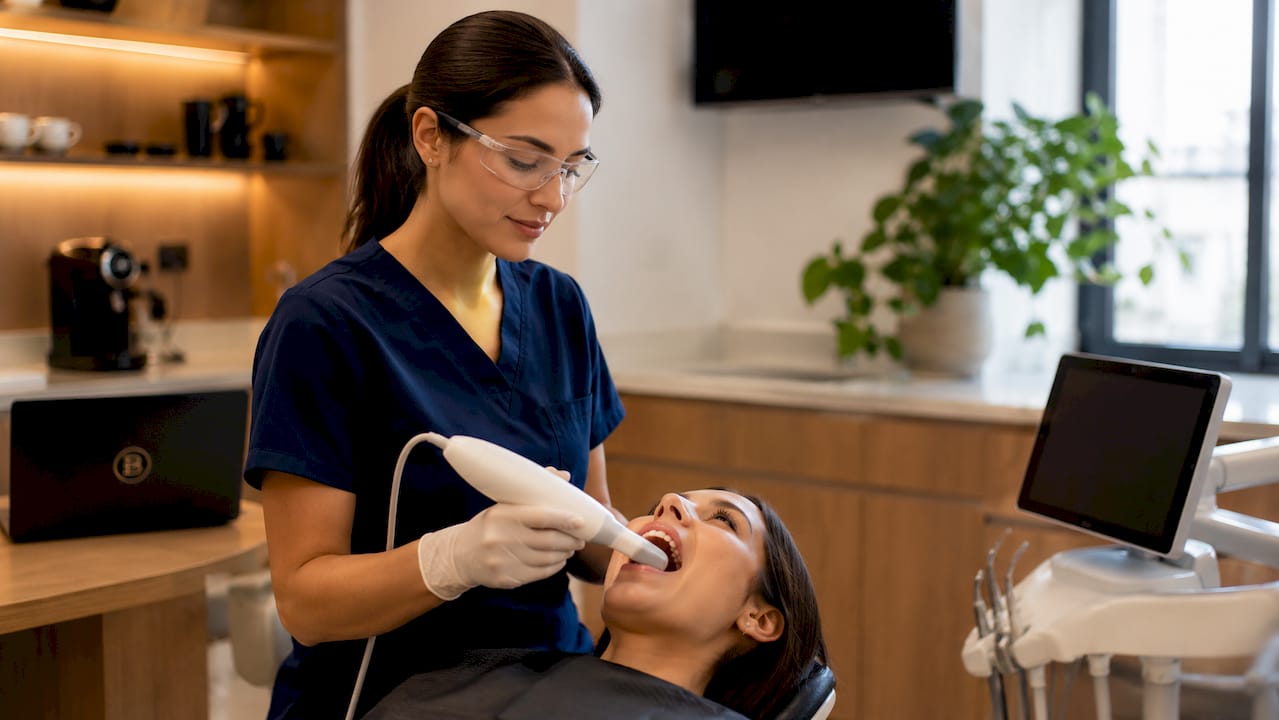
Intraoral scanners have replaced traditional impression moulds in progressive practices. Full-arch digital impressions in one minute with accuracy up to 7 microns eliminates the discomfort of physical moulds and produces more reliable data for lab or chairside fabrication. That level of precision directly reduces the risk of ill-fitting crowns or veneers.
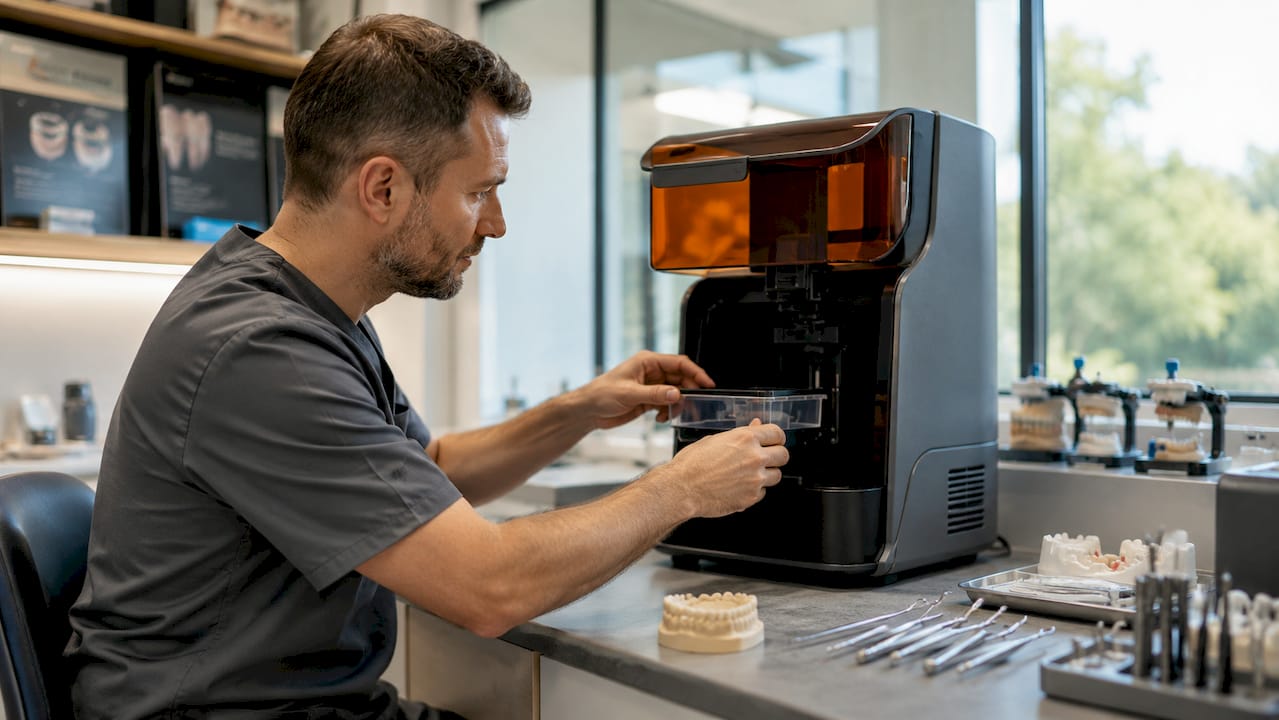
Chairside ceramic 3D printers complete the restorative workflow without a laboratory delay. Systems like Ceramix-Nano can produce permanent crowns in as little as 30 minutes, covering design, printing, and curing in a single visit. For patients who previously needed two or three appointments for a crown, this is a meaningful change.
Ultrasonic surgery units enable surgical incisions as small as 0.5 mm for implant procedures, operating at frequencies between 26–38 kHz. Smaller incisions mean less tissue trauma, reduced post-operative discomfort, and faster recovery.
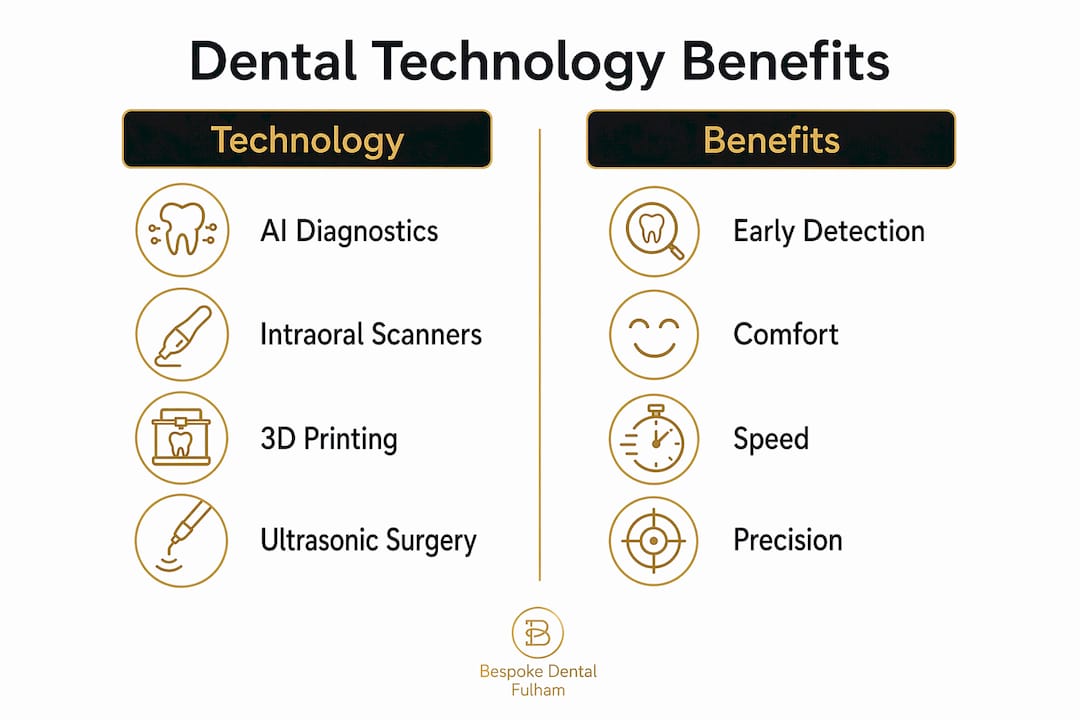
Here is a summary of how each technology functions and what it means for you as a patient:
| Technology | Function | Patient benefit |
|---|---|---|
| AI diagnostic aid (Smart View – Detect) | Analyses CBCT scans for periapical radiolucencies | Earlier detection of root infections |
| Intraoral scanner | Captures full-arch digital impressions | No physical moulds, greater comfort |
| Chairside ceramic 3D printer | Prints permanent ceramic restorations chairside | Same-day crowns and veneers |
| Ultrasonic surgery unit | Performs minimally invasive surgical incisions | Less pain, faster healing after implants |
| Vibrating IPR system | Reduces interproximal enamel with vibration | Less tissue trauma, improved comfort |
Pro Tip: Ask any prospective dental practice which of these technologies they use in-house. A clinic that owns and operates intraoral scanners and chairside printers can typically offer faster, more accurate treatment than one that outsources to external laboratories.
How does advanced dental technology improve treatment outcomes?
The clinical benefits of these tools are measurable and direct. Greater diagnostic accuracy means problems are caught earlier, when treatment is simpler and less costly. A root infection identified at an early stage through AI-assisted CBCT analysis requires far less intervention than one discovered after symptoms appear.
Treatment time falls significantly when digital workflows replace traditional ones. Computational algorithms enable predictive, personalised treatment plans, shifting care from reactive to prognostic. That shift means your dentist can anticipate problems before they develop, rather than responding after damage has occurred.
Patient comfort improves at multiple points in the process. Vibrating IPR systems reduce soft tissue injury compared with traditional rotary tools, which is particularly relevant for patients undergoing orthodontic preparation or cosmetic contouring. Ultrasonic surgical units further reduce trauma during implant placement.
Visual communication also improves with digital tools. Digital smile design software lets you see a simulation of your expected result before treatment begins. That transparency builds confidence and reduces anxiety, particularly for patients considering veneers, composite bonding, or full smile redesigns. You can read more about how this process works in this step-by-step digital smile design guide.
Pro Tip: When researching clinics, look for practices that use digital smile design alongside intraoral scanning. The combination gives you a realistic preview of your outcome and allows your dentist to plan with far greater accuracy.
What does dental technology mean for patients in Fulham and London?
Patients in Fulham, Chelsea, and the wider SW6 area now have access to private practices that operate at a level of technical sophistication previously found only in academic or hospital settings. The digital divide in aesthetic dentistry is real. Clinics that invest in integrated technology deliver measurably better accuracy and predictability than those relying on traditional analogue methods.
For cosmetic treatments, the difference is most visible in procedures like porcelain veneers, teeth whitening, and full smile design. Digital impressions feed directly into fabrication workflows, reducing the margin for human error at each stage. Patients considering veneer treatment benefit from this precision because the fit, colour, and shape of each restoration can be planned and verified digitally before anything is placed in the mouth.
Restorative procedures benefit equally. Dental implants placed with ultrasonic surgical guidance involve smaller incisions and more predictable positioning. Crowns produced chairside with ceramic 3D printers match the tooth’s natural colour and structure with high fidelity. For patients exploring restorative options in Fulham, these advances mean fewer appointments and more durable results.
Bespokedentalfulham integrates these technologies into its clinical workflow as a matter of standard practice, not as an optional add-on. The practice applies Harley Street-level techniques within a boutique Fulham setting, combining digital smile design, AI-assisted diagnostics, and precision restorative tools to deliver outcomes that are both aesthetically refined and clinically sound. You can explore a broader overview of these tools through this patient’s guide to advanced dental technology.
Choosing a technologically progressive practice in London matters because digital investment distinguishes clinics that achieve superior accuracy in aesthetic procedures from those that cannot. That distinction becomes especially important when you are investing in high-value cosmetic or restorative work.
- Veneers and composite bonding benefit from digital impressions and smile simulation, allowing colour-matched, precisely fitted restorations planned before any preparation begins.
- Teeth whitening is guided by digital shade analysis, ensuring consistent, predictable results rather than approximate outcomes.
- Dental implants placed with ultrasonic surgical units involve smaller incisions, less bleeding, and faster recovery than conventional surgical methods.
- Crowns and inlays produced chairside via ceramic 3D printing are fitted in a single visit, eliminating the need for temporary restorations and repeat appointments.
- Orthodontic preparation using vibrating IPR systems reduces enamel reduction discomfort and lowers the risk of post-treatment sensitivity.
Key takeaways
Advanced dental technology is the single most important factor separating predictable, comfortable cosmetic and restorative outcomes from those that rely on approximation and repeat appointments.
| Point | Details |
|---|---|
| AI diagnostics detect more | Smart View – Detect increases root infection detection by approximately 46%, enabling earlier treatment. |
| Same-day restorations are real | Chairside ceramic 3D printers produce permanent crowns in as little as 30 minutes. |
| Digital impressions are more accurate | Intraoral scanners capture full-arch data in one minute with up to 7-micron precision. |
| Technology requires skilled clinicians | AI and robotic tools enhance precision but depend on expert judgement for clinical success. |
| Clinic selection matters in London | Practices investing in integrated digital technology deliver measurably better aesthetic outcomes. |
Technology is only as good as the hands using it
I have spent years watching the dental industry absorb wave after wave of new technology, and the pattern is always the same. The tools improve faster than the average practice adopts them. Most clinics acquire one or two digital tools and market them heavily, while the underlying clinical workflow remains largely unchanged.
The honest truth is that AI and robotic systems require human expertise to deliver their full benefit. A chairside 3D printer in the hands of a dentist who has not mastered the digital workflow produces mediocre restorations quickly. The same printer in the hands of a skilled, experienced clinician produces exceptional results in a single visit. The technology amplifies skill. It does not replace it.
What I find genuinely exciting about 2026 is the convergence of tools. AI diagnostics, digital impressions, and chairside printing now form a connected workflow rather than isolated gadgets. When these systems are integrated properly, the cumulative benefit to the patient is substantial. You get earlier diagnosis, a more comfortable experience, and a restoration that fits correctly the first time.
My advice to anyone researching dental care in Fulham or London is straightforward. Do not be impressed by a list of equipment on a practice website. Ask how those tools connect in the clinical workflow. Ask whether your crown will be designed and printed on the day. Ask whether your diagnostic scans are analysed with AI assistance. The answers will tell you far more than any brochure.
— Amit
Advanced care at Bespokedentalfulham in Fulham
Bespokedentalfulham brings together AI-assisted diagnostics, intraoral scanning, digital smile design, and chairside restoration technology within a single boutique practice in Fulham. Every treatment plan is built around your specific anatomy and aesthetic goals, not a generic template.
Whether you are considering cosmetic dentistry benefits for the first time or returning for a restorative procedure, the practice’s digital workflow means fewer appointments, greater accuracy, and results you can see before treatment begins. Bespokedentalfulham serves patients across Fulham, Parsons Green, Chelsea, Hammersmith, and Putney. To find out which treatments are right for you, visit Bespokedentalfulham or book a consultation directly through the website.
FAQ
What is the role of advanced dental technology in diagnosis?
AI-enabled diagnostic tools like Smart View – Detect analyse CBCT scans and increase detection of periapical radiolucencies by approximately 46%, identifying root infections at an earlier, more treatable stage.
Are same-day crowns as reliable as lab-made ones?
Chairside ceramic 3D printers produce permanent restorations with high structural integrity. Clinical success depends on the dentist’s skill in managing the full digital workflow alongside the technology.
Does digital dentistry make treatment more comfortable?
Intraoral scanners eliminate physical impression moulds, and ultrasonic surgery units allow incisions as small as 0.5 mm, both of which significantly reduce discomfort during and after treatment.
Can these technologies reduce the number of appointments I need?
Yes. Chairside 3D printing completes the scan-to-cementation sequence in approximately 30 minutes, meaning restorations that previously required two or three visits are now completed in one.
What should I ask a Fulham dentist about their technology?
Ask whether their diagnostic, impression, and restoration tools form an integrated digital workflow. Practices where these systems connect deliver better accuracy and more predictable outcomes than those using isolated tools.