TL;DR:
- Aesthetic dentistry combines cosmetic and functional treatments to enhance smile and psychosocial well-being.
- Outcomes depend on advanced techniques, minimally invasive approaches, and digital planning.
- Ethical, patient-centered care prioritizes natural results, long-term health, and informed decision-making.
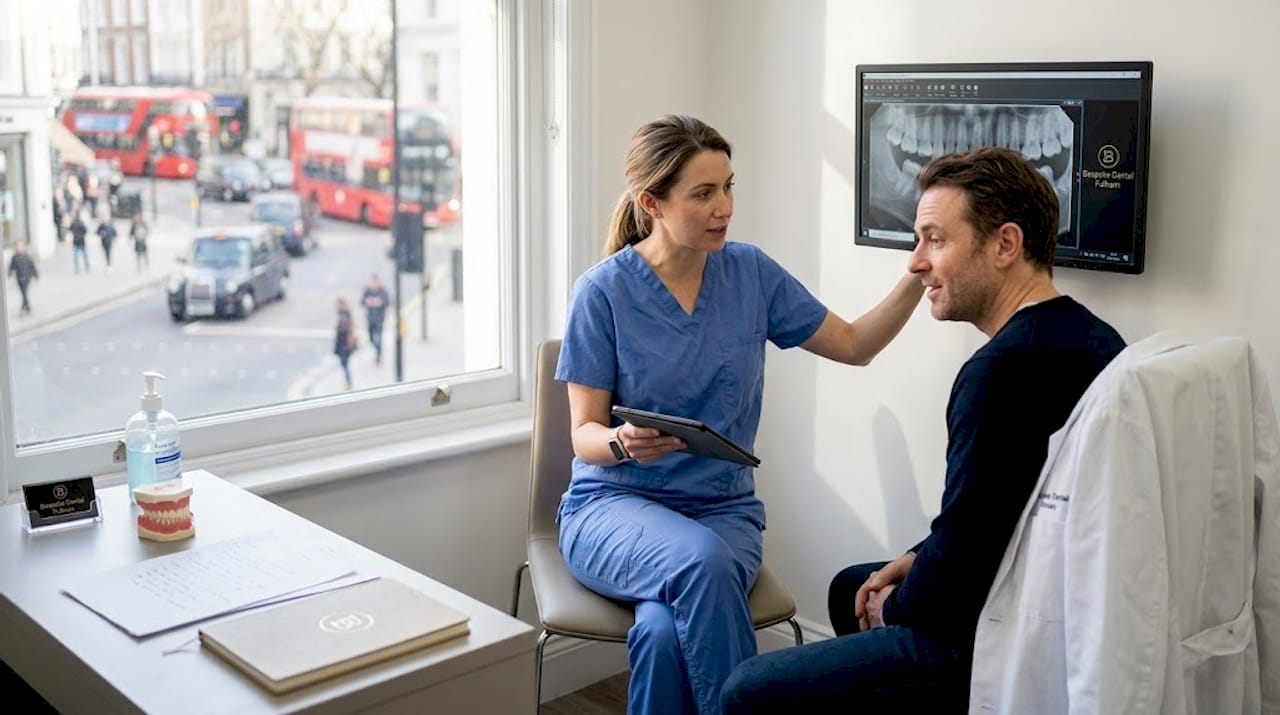
Aesthetic dentistry is routinely dismissed as little more than a cosmetic indulgence, a way to achieve whiter teeth before a big event. That assumption undersells it considerably. For many London professionals, a well-planned smile transformation touches career presence, social confidence, and even mental well-being in ways that a standard check-up never could. This guide cuts through the noise: what aesthetic dentistry genuinely involves, which treatments deliver measurable outcomes, how ethical clinicians separate themselves from trend-chasing practices, and why the discerning patient in 2026 deserves more than a one-size-fits-all approach.
Table of Contents
- What is aesthetic dentistry and why does it matter?
- Core treatments and advanced techniques: What sets elite clinics apart
- Evidence-based outcomes: Satisfaction, aesthetics, and psychosocial effects
- Nuanced choices, patient-centred care, and ethical considerations
- What most people misunderstand about luxury aesthetic dentistry
- Experience the difference: Your journey to a bespoke, confident smile
- Frequently asked questions
Key Takeaways
| Point | Details |
|---|---|
| Comprehensive smile enhancement | Elite aesthetic dentistry improves both appearance and oral health for lasting confidence. |
| Evidence-based outcomes | Data-driven clinics deliver high satisfaction and natural results through advanced materials and planning. |
| Ethics and custom care | The best practitioners avoid overtreatment by focusing on patient-centred, ethical approaches. |
| Function meets aesthetics | The ideal treatment achieves a natural, durable smile that fits each individual’s facial structure and lifestyle. |
What is aesthetic dentistry and why does it matter?
Aesthetic dentistry is not a single treatment. It is a discipline that sits at the intersection of cosmetic improvement and clinical function, drawing on techniques from orthodontics, periodontics, and restorative care to deliver results that look natural and hold up over time.
The cosmetic side includes treatments such as porcelain veneers, composite bonding, and professional teeth whitening. These address shade, shape, and symmetry. The restorative side handles structural problems: dental implants replacing missing teeth, crowns restoring damaged ones, and bridges filling gaps that would otherwise affect how you bite and speak. In practice, these two categories frequently overlap. A patient seeking veneers may also need minor gum contouring. Someone replacing a missing tooth with an implant often improves both function and appearance simultaneously.
As a literature review summarises it, aesthetic dentistry “enhances smile aesthetics through cosmetic and restorative treatments, balancing function, appearance, and psychosocial well-being.” That last element, psychosocial well-being, is the part most people overlook.
For a high-achieving professional in London, the stakes are specific. You are presenting yourself in boardrooms, networking events, and client-facing roles. The quality-of-life benefits of a confident, well-maintained smile extend well beyond vanity. Research consistently links smile satisfaction to self-esteem, professional perception, and social ease.
The treatments that make up modern aesthetic dentistry include:
- Porcelain veneers for a complete smile redesign
- Composite bonding for reshaping individual teeth quickly
- Teeth whitening for shade correction
- Dental implants for permanent tooth replacement
- Orthodontic alignment (including Invisalign) to correct spacing and bite
- Gum contouring to refine the gum line and frame the teeth
The interdisciplinary approach is what separates genuine aesthetic dentistry from a quick cosmetic fix. When an experienced clinician coordinates across specialisms, the result is both beautiful and clinically sound.
“The goal of aesthetic dentistry is not perfection for its own sake, but harmony between the teeth, the face, and the individual.”
Core treatments and advanced techniques: What sets elite clinics apart
Understanding what each treatment offers, and at what standard, is essential before committing to any procedure. Not all clinics are equal in their approach.
Porcelain versus composite veneers is often the first decision patients face. Porcelain veneers are thin ceramic shells bonded to the front surface of teeth. They offer exceptional translucency, mirroring natural enamel, and are highly resistant to staining. Composite veneers are sculpted directly onto the tooth using resin, making them faster and more affordable. However, they are less durable and more prone to discolouration over time. The right choice depends on your budget, timeline, and clinical needs, not on what is trending.
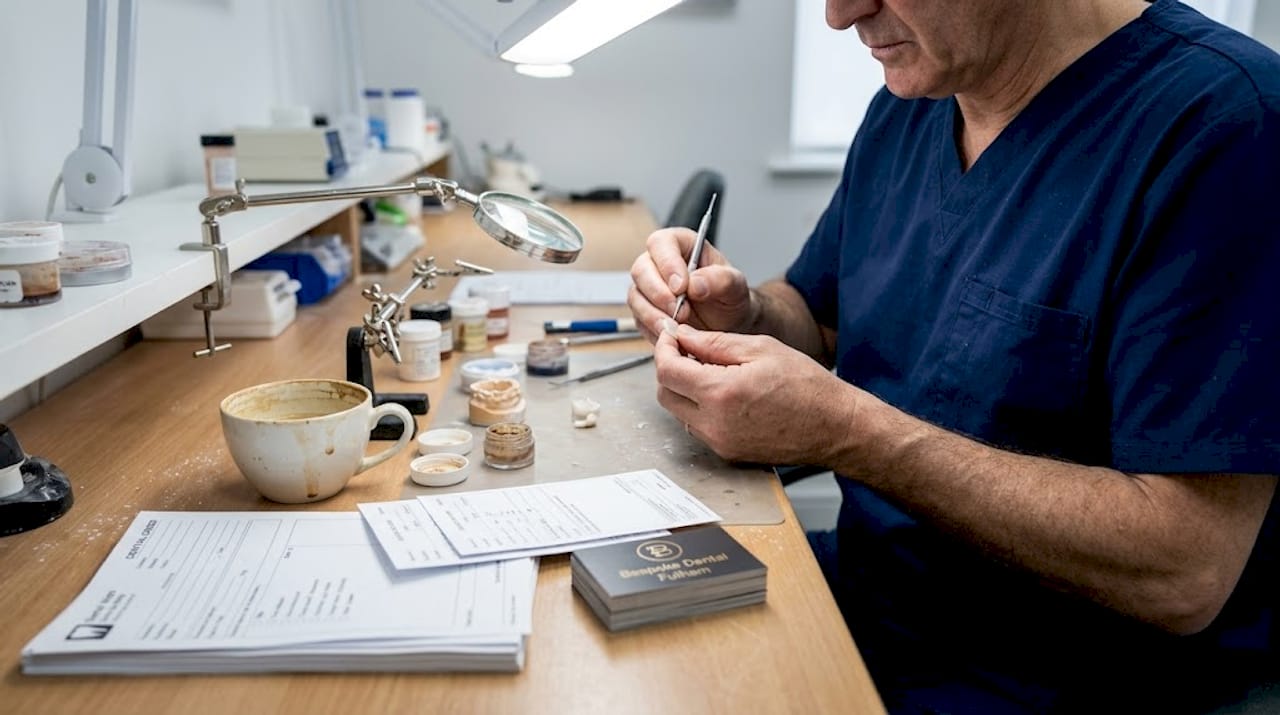
Key ceramic veneer basics show that the most current methods focus on minimal enamel removal, a significant departure from older techniques that required aggressive tooth reduction. Low-prep and no-prep ceramics preserve your natural tooth structure, which matters enormously for long-term oral health.
Digital Smile Design (DSD) has transformed the planning stage. Using digital imaging and software, your clinician maps your facial proportions, gum line, and tooth dimensions before any treatment begins. You see a visual preview of your result, making the process genuinely collaborative rather than a leap of faith. As a guide to ceramic applications notes, key methodologies include “minimally invasive ceramic veneers, direct composite bonding, digital smile design, and adhesive luting prioritising enamel bonding.”
| Treatment | Material | Durability | Best suited for |
|---|---|---|---|
| Porcelain veneers | Ceramic | 10 to 15 years | Complete smile redesign |
| Composite bonding | Resin | 5 to 7 years | Minor chips, gaps |
| Teeth whitening | Peroxide gel | 1 to 3 years | Shade improvement |
| Dental implants | Titanium and ceramic | 20 years or more | Missing tooth replacement |
| Orthodontic alignment | Aligners or fixed | Permanent (with retainer) | Spacing and bite correction |
The private dental care advantages of attending an elite clinic include access to this level of custom digital planning, premium materials, and clinicians who allocate sufficient appointment time to get things right.
Exploring your porcelain veneer options with a specialist early in the process allows you to understand precisely what is involved before committing.
Pro Tip: Always prioritise enamel preservation when discussing veneer options with your dentist. Once enamel is removed, that decision is permanent. Choosing a minimally invasive approach protects your long-term oral health.
Evidence-based outcomes: Satisfaction, aesthetics, and psychosocial effects
Measurable results matter. For a professional weighing a significant dental investment, clinical outcome data provides the clearest picture of what you can genuinely expect.
A comparative outcomes study found that ceramic restorations score 9.1 out of 10 on a visual analogue scale for aesthetics, with a 94% patient satisfaction rate. Composite restorations scored 8.2 out of 10, with 85% satisfaction. Patients treated using Digital Smile Design reported higher satisfaction still, with outcomes ranging from 85 to 87% compared to 79 to 81% using conventional planning. These are not trivial differences when you are choosing between clinics.
The psychosocial dimension is equally compelling. Psychosocial research consistently demonstrates links between smile confidence and professional performance, social engagement, and mental well-being. This is not superficial. It reflects how presentation shapes perception, both how others see you and how you see yourself.
| Measure | Ceramic | Composite | DSD-planned |
|---|---|---|---|
| Aesthetic score (VAS) | 9.1/10 | 8.2/10 | Higher than average |
| Patient satisfaction | 94% | 85% | 85 to 87% |
| Longevity (years) | 10 plus | 5 to 7 | Varies by material |
The reasons professionals in London invest in advanced aesthetic care are consistent:
- Sustained confidence in client-facing and leadership roles
- Natural appearance that does not draw attention to itself
- Long-term function, not just cosmetic improvement
- Reduced anxiety around social and professional situations
- Pride in self-presentation that aligns with personal and professional standards
The smile makeover benefits go well beyond the treatment chair. When patients describe feeling more at ease in interviews, less self-conscious when speaking in meetings, or simply more comfortable smiling in photographs, those outcomes are real and repeatable.
Nuanced choices, patient-centred care, and ethical considerations
Outcome data tells part of the story. But discernment, both from you and your clinician, is what turns good data into genuinely satisfying results.
Something rarely discussed openly is how facial structure influences treatment planning. Facial divergence, the relationship between your forehead, midface, and lower jaw, affects which incisor inclinations look natural for your face. As ethical dental research confirms, “facial divergence influences incisor inclination,” meaning there is no universal ideal. A treatment plan built around your specific anatomy will always outperform one based on a trend.
Ethics matter here more than many patients realise. The rise of social media aesthetics, particularly the so-called “Hollywood smile,” has fuelled demand for aggressive veneers and excessively uniform results that frequently look artificial. Individual preference research highlights growing concern about overtreatment driven by social pressure rather than clinical need. A reputable clinic will always prioritise your actual oral health over trend-driven requests.
To protect yourself and make genuinely informed decisions, follow these steps:
- Verify GDC registration before attending any consultation. The General Dental Council registers all qualified dental professionals in the UK.
- Request a full treatment plan in writing, including alternatives and risks.
- Ask about enamel preservation and whether the proposed approach is minimally invasive.
- Seek a second opinion if you feel pressured towards extensive treatment without clear clinical justification.
- Review before-and-after cases from the same clinician, not stock imagery.
Pro Tip: Always ask your clinician to show you GDC registration and to explain why a specific treatment is recommended over less invasive alternatives. A confident, ethical clinician will welcome this question.
The superior dental ethics of a well-regulated private practice are a direct safeguard against the overtreatment risks increasingly documented in aesthetic dentistry. Patient-centred care is not a marketing phrase. It is a clinical commitment.
“Informed consent in aesthetic dentistry must go beyond a signature. It should include a genuine understanding of alternatives, risks, and realistic expectations.”
What most people misunderstand about luxury aesthetic dentistry
There is a persistent belief that luxury dental care means the most dramatic result. More dramatic equals more valuable. That framing is wrong, and in practice it leads patients towards treatments they regret.
The highest standard in aesthetic dentistry is one you cannot immediately identify. Teeth that look slightly too white, too uniform, or too perfect signal artificiality. The truly skilled clinician creates results that simply make a patient look well, rested, and confident without the work being obvious.
Social media has done considerable damage here. It has created demand for a standardised look rather than a personalised one, and some clinics have happily obliged, prioritising volume over ethics. The London market, to its credit, is shifting. The most discerning patients are increasingly asking for restraint, evidence, and long-term thinking rather than the largest veneers available.
Private dental care insights confirm what experienced clinicians have long understood: the patients who are most satisfied years after treatment are those whose results look natural, function well, and were planned conservatively. Style without function is short-lived. True luxury means discreet, lasting, natural beauty built on clinical evidence.
Experience the difference: Your journey to a bespoke, confident smile
For those who want long-term confidence and genuine oral health in a discreet, regulated environment, Bespoke Dental Fulham offers exactly that. Our approach combines advanced digital planning, Harley Street standard techniques, and a genuinely patient-centred philosophy that prioritises your long-term well-being over short-term aesthetics.
Explore porcelain veneers in Fulham crafted for a natural, lasting result, discover our full range of teeth whitening options, and understand the full scope of cosmetic dentistry benefits available to you. Book a consultation and see how a bespoke approach changes what is possible.
Frequently asked questions
What is the difference between cosmetic and aesthetic dentistry?
Cosmetic dentistry focuses on appearance only, while aesthetic dentistry balances function, appearance, and psychosocial well-being for a result that is both beautiful and clinically sound.
How long do ceramic dental veneers last?
Ceramic veneers bonded to enamel demonstrate survival rates above 90% at 10 years, making them a durable long-term investment when placed correctly.
Does smile improvement affect professional confidence?
Yes. Studies show that ceramic restorations yield 94% patient satisfaction and that improved smile aesthetics correlate directly with greater psychosocial well-being and self-confidence in professional settings.
How can I avoid overtreatment with cosmetic dental work?
Choose a GDC-registered clinic that follows ethical, minimally invasive practices, and always request a written treatment plan with a clear explanation of alternatives before proceeding.
Are digital smile design and 3D planning really useful?
Yes. DSD satisfaction rates reach 85 to 87% compared to 79 to 81% with conventional planning, providing more predictable and individualised outcomes for each patient.