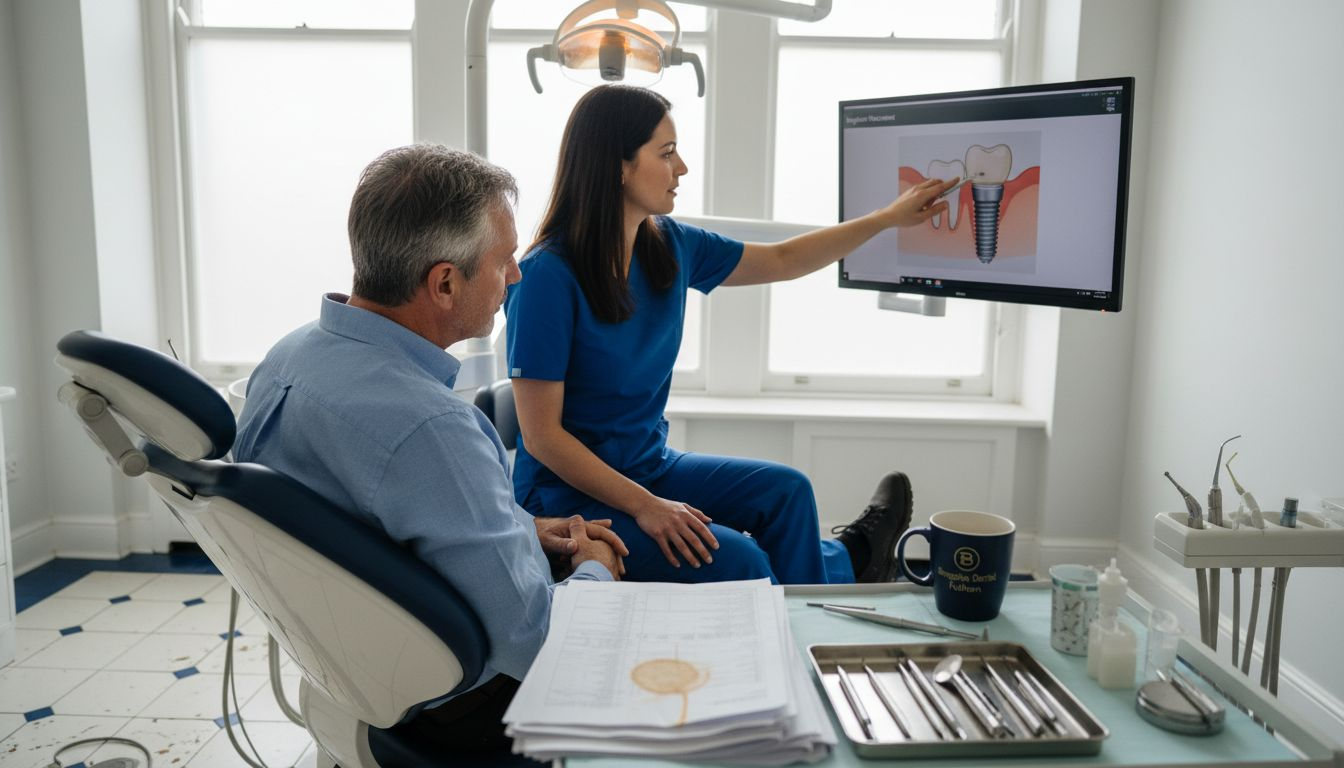
A perfect smile is about more than appearance, especially when you invest in dental implants that blend seamlessly with your style. In Fulham, busy professionals expect not just advanced technology, but also discreet, personalised care that protects their time and results. Keeping your implants healthy requires a specific approach because unlike natural teeth, these restorations need dedicated tools and routine.
Discover how the right techniques support long-lasting beauty and comfort, tailored for your expectations.
Step 1: Establish a tailored daily cleaning routine
Your dental implants require a dedicated cleaning approach that differs from caring for natural teeth. Unlike natural teeth, implants have no natural protective layer beneath the gum line, so the tools and techniques you use matter significantly for long-term success.
Start by brushing twice daily with a soft-bristled toothbrush using gentle circular motions around the implant and gum line. Avoid aggressive scrubbing, which can irritate the tissues supporting your implant. Electric toothbrushes work well for many patients, but manual brushes are equally effective if you use proper technique.
Flossing is where most people stumble with implants. Standard floss won’t work effectively around the crown and substructure, so use threader floss or Super Floss to clean the tight spaces. Water flossing under the bridge area provides additional cleaning power. You might also consider an interdental brush or sulcus brush designed specifically to clean along the gum line where bacteria accumulates.

Rinsing with antiseptic mouthwash completes your routine by reducing bacteria in hard-to-reach areas. This combination of tools works because specialised dental implant cleaning prevents peri-implantitis, a gum disease that can compromise your implant if left unchecked.
Here’s how dental implant cleaning tools address specific challenges:
| Tool Type | Main Purpose | Additional Benefit |
|---|---|---|
| Soft-bristled brush | Removes plaque around gum line | Gentle on sensitive tissues |
| Threader/Super Floss | Cleans around crowns and fixtures | Accesses hard-to-reach spaces |
| Interdental brush | Reaches gaps between implants | Removes debris effectively |
| Antiseptic mouthwash | Reduces bacteria in the whole mouth | Freshens breath |
Your cleaning routine should feel natural within weeks. The goal is consistency, not perfection. Most patients find that once they establish the habit, these steps take roughly five to seven minutes each morning and evening.
A tailored cleaning routine is your primary defence against implant complications and the foundation for years of reliable function.
During your routine, pay attention to how your gums feel. Slight pink colouring is normal, but swelling, bleeding, or discomfort warrants a consultation with your dentist in Fulham. Catching issues early prevents costly intervention later.
Pro tip: Set a timer for two minutes during brushing and keep your floss in the bathroom at eye level to build the habit faster. Most people who stop flossing do so because it’s out of sight, so visibility encourages consistency.
Step 2: Incorporate dietary choices for implant health
What you eat directly influences how well your implants integrate and function long-term. Your mouth requires specific nutrients to maintain the bone and gum tissues that support your investment, and dietary choices either strengthen or undermine this foundation.
Focus on building a nutrient-rich diet that supports oral tissue health. Calcium and phosphorus strengthen the bone surrounding your implant, whilst vitamins A and C promote healthy gums and reduce inflammation. Think of these nutrients as the building blocks that keep your implant stable and your tissues resilient.
Limit added sugars and acidic foods, which create an environment where bacteria thrive. When you consume sugary drinks or snacks frequently, bacteria feed on the sugar and produce acids that can erode the protective tissues around your implant. This undermines the entire system you’ve worked to establish with your daily cleaning routine.
Your dietary strategy should include these priorities:
Key nutrients and their roles for dental implant health:
| Nutrient | Primary Function | Good Sources |
|---|---|---|
| Calcium | Strengthens implant bone | Dairy, leafy greens |
| Vitamin C | Supports gum healing | Citrus fruits, berries |
| Protein | Tissue repair and growth | Eggs, fish, nuts |
| Phosphorus | Maintains bone density | Fish, seeds, beans |
- Calcium-rich foods such as dairy products, leafy greens, and almonds strengthen bone density
- Vitamin C sources like citrus fruits and berries support gum tissue repair and immunity
- Protein helps tissues rebuild and maintain strength throughout healing phases
- Water keeps your mouth hydrated and helps rinse away food particles and bacteria
Acidic beverages like cola, sports drinks, and even some herbal teas can soften the tissue around your implant over time. If you consume them, rinse your mouth with water afterwards rather than brushing immediately, which can cause additional damage. The connection between diet and dental health extends directly to implant longevity, making this step as critical as your cleaning routine.
Consider timing as well. Eating soft foods in the weeks after implant placement protects the surgical site, but once fully healed, your implant itself is as durable as natural teeth. Hard foods like ice or tough nuts won’t damage the implant crown, though they can stress the underlying bone if you have other dental issues.
Your diet is either working for your implant or against it. There’s no neutral ground when it comes to what you consume.
Pro tip: Keep a simple food diary for two weeks and note which foods leave you feeling satisfied without spiking your sugar intake. This awareness helps you build sustainable eating habits that protect your implant without feeling restrictive or unsustainable.
Step 3: Schedule regular professional check-ups
Your daily routine and dietary choices create a strong foundation, but professional monitoring catches problems your eyes cannot. Regular check-ups are where dentists assess implant stability, bone health, and early signs of complications that could compromise your investment if left undetected.
The frequency of your check-ups depends on your implant type, overall oral health, and how well you maintain your home care routine. Most patients benefit from visits every six months, though some may need more frequent monitoring. During these appointments, your dentist uses specialised instruments designed specifically to clean implants without causing damage to the crown or underlying structures.
What happens during a professional check-up involves several key assessments. Your dentist evaluates implant stability by checking for any movement or looseness, examines the gum tissues surrounding your implant for signs of inflammation, and takes radiographs to assess bone support. These clinical evaluations catch issues like peri-implant disease before they escalate into serious complications.
Your check-up priorities should include:
- Stability assessment to confirm the implant remains firmly anchored
- Gum health evaluation for signs of inflammation, swelling, or infection
- Radiographic monitoring to track bone density and integration over time
- Professional cleaning using tools that won’t scratch or damage the implant surface
Early detection matters enormously. If your dentist identifies inflammation or bone loss during a routine visit, prompt intervention can prevent implant failure entirely. When problems go undetected for months, treatment becomes more complex and costly. The difference between a simple gum treatment and implant replacement often comes down to catching issues at the right moment.
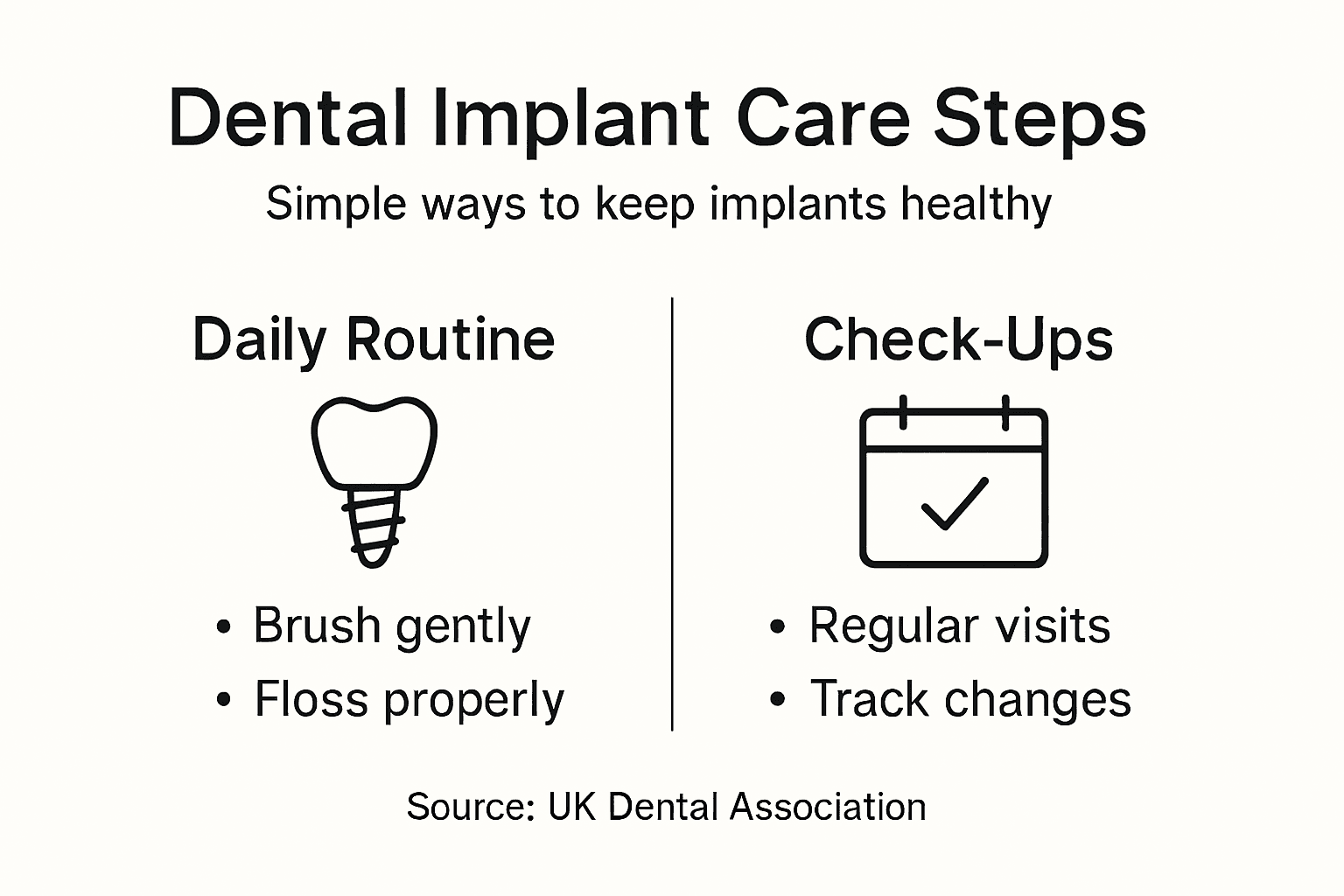
Think of these appointments as preventative care rather than reactive treatment. You’re not waiting for symptoms to appear. Instead, your dentist monitors implant stability and bone health proactively, catching subtle changes before they become problems.
Mark your calendar now. Set phone reminders six months in advance so you never miss an appointment. Consistency with professional care is as important as your daily cleaning routine for long-term implant success.
Professional check-ups are your insurance policy against implant complications. Skip them, and you’re betting your investment on chance alone.
Pro tip: Keep a simple note of any discomfort, sensitivity, or changes you notice between appointments and mention these observations during your visit. This information helps your dentist identify patterns and assess your implant’s performance over time, leading to more personalised and effective care.
Step 4: Monitor for signs of complications
Your implant won’t announce problems with a notification. Instead, complications develop quietly, often with subtle warning signs you need to recognise. Learning what to watch for transforms you from a passive patient into an active guardian of your implant’s health.
The most common issue affecting implants is peri-implant disease, which includes two progressive conditions. Peri-implant mucositis affects the soft tissue around your implant, whilst peri-implantitis involves bone loss that can threaten the implant’s stability. Both start with inflammation you can actually see and feel, making early detection entirely within your control.
Watch for these specific warning signs in your daily routine:
- Red or swollen gums around the implant that look different from healthy tissue
- Bleeding when you brush or floss around the implant area
- Persistent tenderness or soreness that doesn’t improve within a few days
- Unusual discharge or pus around the implant
- Implant looseness or a feeling that something has shifted
- Pain when chewing concentrated on the implant side
Pain warrants immediate attention. Your implant itself cannot feel pain because it’s titanium, but the tissues around it and your jawbone can signal distress. If you experience sharp pain, throbbing sensations, or discomfort that worsens over days, contact your dentist rather than hoping it resolves.
Some complications develop without obvious symptoms. This is why recognising peri-implant disease signs matters so much for catching problems early. You might notice bleeding during your routine that seemed minor, or slight swelling you attributed to something else. These subtle changes often precede more serious issues.
Certain habits accelerate complications. Smoking significantly increases infection risk and delays healing around implants. Untreated diabetes compromises your immune response and bone health. If you have these risk factors, monitor even more vigilantly and address them directly with your dentist.
Complications rarely announce themselves loudly. They whisper through small changes you must learn to recognise.
Document what you observe. If you notice bleeding, note when it happens and what you were doing. If tenderness appears, track how long it lasts. This information helps your dentist distinguish normal variation from genuine concern during your check-ups.
Pro tip: Take a reference photo of your healthy implant area now using your phone’s macro setting, then compare it monthly to spot subtle changes in gum colour, texture, or swelling before they become obvious problems.
Quick Summary
| Main Insight | Explanation |
|---|---|
| 1. Establish a dedicated cleaning routine | Brush twice daily with a soft-bristled toothbrush and floss with threader floss or Super Floss. This helps prevent gum disease and ensures long-term success. |
| 2. Incorporate nutrient-rich dietary choices | Focus on calcium, vitamins A and C, and protein to support bone and gum health. Limit sugar and acidic foods that can harm your implants. |
| 3. Schedule regular professional check-ups | Visit your dentist every six months for stability assessments and professional cleanings to catch early signs of complications. |
| 4. Monitor for signs of complications | Be alert for symptoms like swollen gums, bleeding, or discomfort around your implant, which can indicate potential problems needing immediate attention. |
Protect your dental implants with Bespoke Dental Fulham
Managing your dental implants to achieve lasting results requires more than just daily cleaning and smart dietary choices. It demands expert guidance, personalised care, and regular professional monitoring to detect issues like peri-implantitis early and maintain implant stability. At Bespoke Dental Fulham, we understand the challenges you face — from establishing the right hygiene routine to recognising subtle signs of complications — and we provide a premium, discreet service tailored to your unique needs.
Experience the confidence of Harley Street standard implant care in a serene Fulham clinic. Whether you need advanced implant maintenance, aesthetic enhancements, or routine check-ups, our skilled team uses cutting-edge technology and holistic dental wellness principles to safeguard your investment. Don’t wait until discomfort or inflammation threatens your smile. Contact us today through our tailored dental services and take the first step towards implant longevity with expert support.
Explore how our premium restorative solutions and personalised advice can help you maintain your implants for life. Book your consultation now at Bespoke Dental Fulham and secure a healthier smile tomorrow.
Frequently Asked Questions
How can I establish a daily cleaning routine for my dental implants?
To establish a daily cleaning routine for your dental implants, brush twice a day with a soft-bristled toothbrush, using gentle circular motions around the implant and gum line. Floss with threader or Super Floss and rinse with antiseptic mouthwash to minimise bacteria; aim for this routine to take about five to seven minutes each morning and evening.
What dietary choices should I make to support my dental implants?
A nutrient-rich diet is crucial for your dental implants. Focus on consuming foods high in calcium, protein, and vitamins A and C to maintain the health of the bone and gum tissues; consider including dairy products, leafy greens, and citrus fruits regularly to reinforce your implant’s stability.
How often should I schedule professional check-ups for my dental implants?
Most patients should schedule professional check-ups for their dental implants every six months to ensure their long-term success. During these visits, your dentist will evaluate implant stability, examine gum health, and take radiographs to monitor the bone support around your implants.
What signs of complications should I monitor for with dental implants?
Monitor for signs of complications such as red or swollen gums around the implant, bleeding when brushing or flossing, and persistent soreness. If you notice any of these symptoms, promptly contact your dentist to address any potential issues early and prevent more serious problems from developing.
How can I enhance my cleaning technique to prevent peri-implantitis?
To enhance your cleaning technique and prevent peri-implantitis, ensure you use proper flossing methods and consider additional tools like an interdental brush. Regularly assess your gum health; if you notice any redness or swelling, adjust your cleaning routine or consult your dentist for professional advice.