
Biting into a crisp snack at a London business lunch, you suddenly feel a sharp edge where your tooth once felt smooth. For many Fulham professionals, a chipped tooth is more than a cosmetic annoyance, disrupting both comfort and confidence. Understanding why even minor chips matter can protect your oral health and image. Discover how advanced restorative care and discreet treatments restore your smile swiftly and comfortably—ideally before small issues become costly complications.
Table of Contents
- What Is A Chipped Tooth And Why It Matters
- Types Of Chips And Severity Explained
- Premium Treatment Options And Digital Solutions
- Risks Of Untreated Chips And How To Avoid Them
- Costs, Longevity And Choosing The Right Clinic
Key Takeaways
| Point | Details |
|---|---|
| Importance of Treatment | Addressing a chipped tooth promptly prevents complications like sensitivity, infection, and structural damage. |
| Types of Chips | Chipped teeth fall into minor, moderate, and severe categories, affecting urgency and treatment options. |
| Cost Considerations | Treatment costs vary based on severity, with options ranging from £150 for bonding to £2,500 for root canals. |
| Preventative Measures | Regular dental check-ups and immediate attention to chips can safeguard against costly emergencies later. |
What Is A Chipped Tooth And Why It Matters
A chipped tooth occurs when a fragment of the tooth’s protective enamel breaks away, usually due to impact, accidental trauma, or biting something hard. This might seem minor at first, but even small chips can have lasting consequences.
Why should you care about a chipped tooth? The answer goes beyond aesthetics. A chip exposes vulnerable inner layers of your tooth, which can lead to sensitivity, pain, and further damage if left untreated. Your smile is one of the first things people notice—and you notice it every time you catch your reflection.
Chipped teeth matter for three key reasons:
- Sensitivity and discomfort: Exposed dentin (the layer beneath enamel) reacts to temperature, pressure, and certain foods, causing sharp pain when you eat or drink.
- Risk of infection: A damaged tooth surface provides an entry point for bacteria, potentially leading to decay or infection deep within the tooth.
- Structural compromise: Each chip weakens the tooth’s overall structure, making it more susceptible to further breaking or cracking.
The good news? Chipping, breaking, or cracking a tooth is usually not serious, and modern restorative solutions can restore both function and appearance effectively. The key is addressing it promptly.
In London, where professional standards are high and expectations match, untreated chips can affect your confidence in business meetings, social gatherings, or anywhere you interact with others. At Bespoked Dental Fulham, we understand that your teeth are part of your professional image.
The sooner you address a chipped tooth, the simpler and more cost-effective the treatment typically becomes.
A minor chip caught early might require only a simple composite bonding procedure—quick, discreet, and affordable. A chip left for months or years could develop into decay requiring more extensive intervention.
Pro tip: If you chip a tooth, rinse your mouth with warm water and avoid chewing near the damaged area until you see a dentist; this prevents the chip from worsening and protects the exposed tooth structure.
Types Of Chips And Severity Explained
Not all chipped teeth are created equal. The severity of your chip determines everything—from how urgent your visit should be to which treatment will restore your tooth. Understanding where your chip falls on the spectrum helps you make informed decisions about your care.
Chipped teeth fall into three main categories based on depth and damage:
Minor chips affect only the enamel, the tooth’s hard outer layer. You might notice a small rough edge or slight discolouration, but you’ll experience no pain. These chips are purely cosmetic concerns that won’t cause sensitivity or infection risk. However, leaving them unrepaired allows the chip to expand over time, eventually reaching deeper layers.
Moderate chips extend beyond enamel into the dentin layer beneath. This is where things become uncomfortable. You’ll likely experience sensitivity to temperature, pressure, or sweet foods because dentin has microscopic tubes leading to the tooth’s nerve. The types of tooth chips vary by size and depth, and moderate chips sit at the threshold where treatment becomes necessary, not optional.
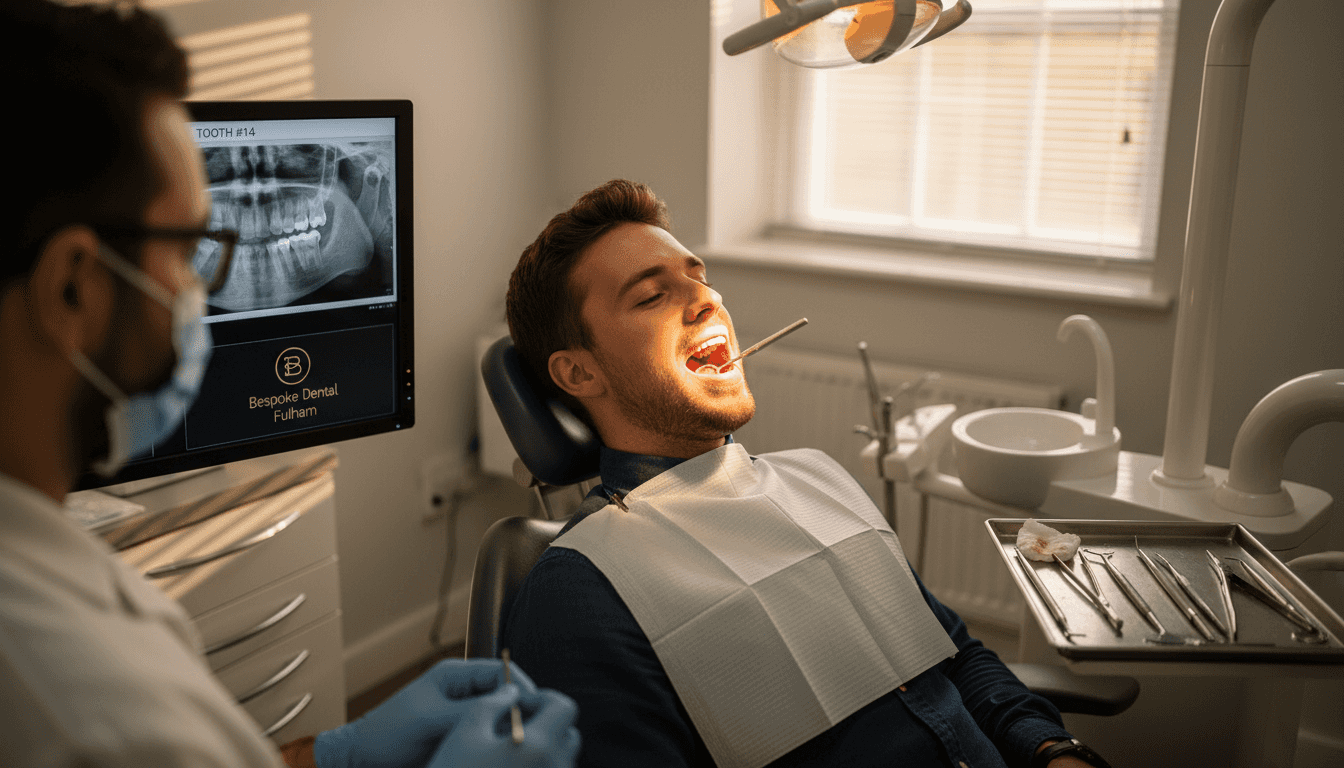
Severe chips reach the pulp—the innermost chamber containing blood vessels and nerves. You’ll feel significant pain, and there’s a genuine risk of infection spreading into the root. These chips demand immediate attention and typically require root canal therapy followed by a crown to restore structure and function.
Here’s how severity maps to what you’ll experience:
Here is a side-by-side summary of chipped tooth types and recommended response time:
| Chip Severity | Key Symptom | Urgency to Treat |
|---|---|---|
| Minor | Rough edge, no pain | Within weeks |
| Moderate | Sensitivity, discomfort | Within days |
| Severe | Sharp pain, infection risk | Immediate (same day) |
- Minor: No pain, cosmetic damage only, can wait weeks for treatment
- Moderate: Sensitivity to temperature and pressure, treatment recommended within days
- Severe: Acute pain, risk of infection, requires urgent dental attention
Severity dictates treatment options—from simple bonding for minor chips to crowns or root canals for severe fractures.
The distinction matters because a minor chip treated early costs far less and takes minutes. A severe chip left untreated can lead to tooth loss and require implants, a process involving months and significantly higher expense.
At Bespoked Dental Fulham in Fulham, our first step is always a thorough assessment to determine your chip’s exact severity. This guides us toward the most appropriate, efficient solution for your situation.
Pro tip: Take a photo of your chipped tooth before your appointment; this helps your dentist track changes and compare severity if you’re monitoring a chip over time before treatment.
Premium Treatment Options And Digital Solutions
At Bespoked Dental Fulham, we combine traditional restorative expertise with cutting-edge technology to restore your chipped tooth with precision and aesthetics. Your treatment path depends on your chip’s severity, but every option prioritises both function and appearance.
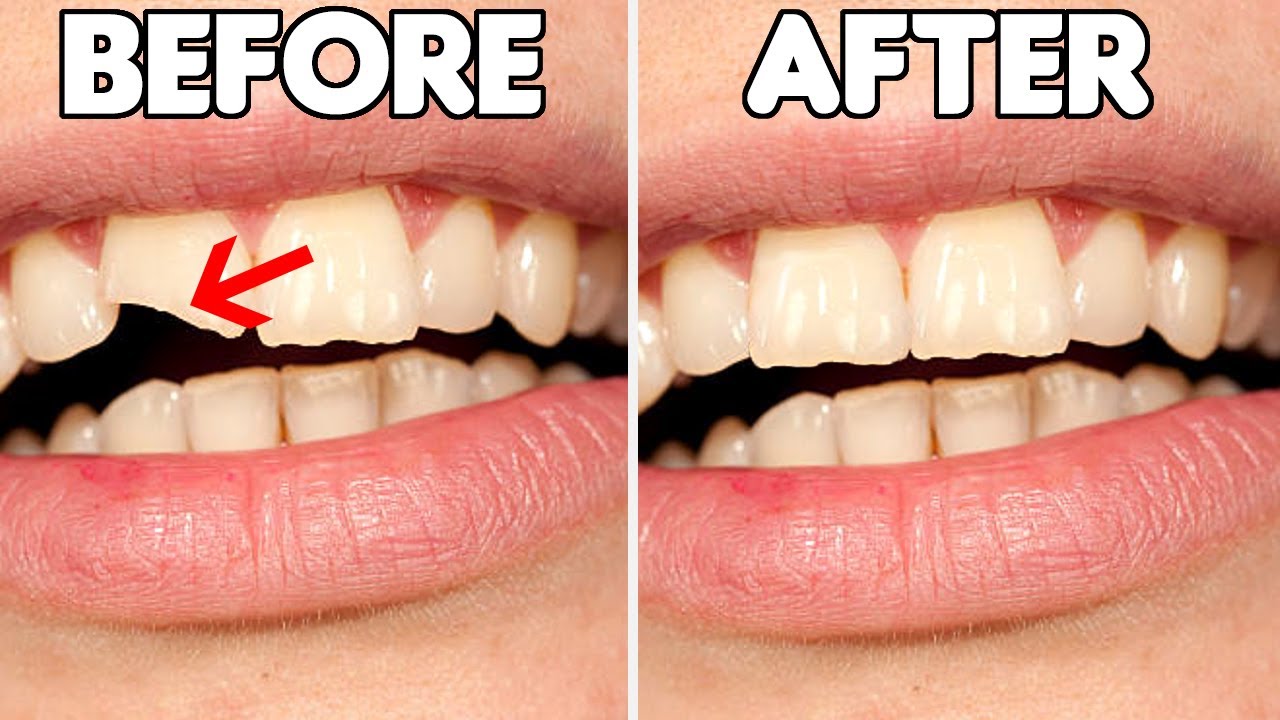
For minor chips, dental bonding offers a swift, non-invasive solution. Tooth-coloured composite resin is carefully shaped to match your tooth’s contour and colour. The entire procedure takes 20–30 minutes, requires no anaesthesia, and costs significantly less than other options. You walk out with a restored smile the same day.
For moderate to severe chips, several premium options exist:
- Porcelain veneers: Ultra-thin shells bonded to the front surface, ideal for cosmetic enhancement and structural reinforcement
- Dental crowns: Full-coverage restorations that encase the entire tooth, providing maximum strength for larger chips
- Root canal therapy with crown: Required when pulp damage has occurred, followed by a crown for restoration
What sets Bespoked Dental Fulham apart is our integration of advanced digital dentistry. Modern treatment options include digital intraoral scanners and 3D printing technologies that enable us to design and fabricate restorations with exceptional accuracy.
Our digital workflow includes:
- 3D imaging to assess the chip’s full extent and plan treatment precisely
- Digital smile design to preview your result before treatment begins
- CAD/CAM fabrication for custom-milled crowns and veneers completed within days, not weeks
- Intraoral scanning eliminating uncomfortable traditional impression trays
These technologies reduce treatment time, improve fit and function, and deliver cosmetically superior results. You see exactly what your restoration will look like before we begin.
Digital solutions enhance precision, reduce chair time, and ensure restorations that match your natural teeth perfectly.
In Fulham’s competitive professional environment, discretion matters. Your restoration blends seamlessly with your remaining teeth—undetectable to others. Premium materials resist staining and maintain their appearance for years.
Treatment costs vary by severity, but digital planning ensures you understand the investment upfront. Minor bonding might cost £150–300. Crowns and veneers range from £600–1,200 per tooth. We discuss all options transparently during your consultation.
Pro tip: Request a digital preview before committing to treatment; seeing your restoration in advance helps you make confident decisions aligned with your aesthetic goals.
Risks Of Untreated Chips And How To Avoid Them
Ignoring a chipped tooth might seem harmless at first. A small chip looks minor, causes no immediate pain, and life is busy. But leaving it unrepaired sets off a chain reaction that can turn a simple cosmetic issue into a serious dental emergency.
The risks compound over time. A minor chip left unattended gradually expands as the weakened edge fractures further. What started as a cosmetic problem becomes a functional one. Sensitivity develops, then pain. Eventually, the chip reaches deeper layers, exposing dentin and nerves.
Pain and sensitivity emerge early in untreated chips. Exposed dentin has microscopic tubes that transmit sensation directly to the nerve. Hot drinks, cold foods, and even air can trigger sharp discomfort. This isn’t just annoying—it affects your quality of life, restricting what you eat and drink.
Infection risk is the most serious consequence. Untreated chipped teeth can lead to exposed nerves causing pain and risk of infection, which can develop into abscesses—painful infections beneath the tooth that require emergency root canal treatment or extraction.
Other risks include:
- Soft tissue damage: Sharp edges cut your tongue, cheeks, or gums, causing pain and potential secondary infection
- Progressive fracture: A chip becomes a crack, then a break, eventually compromising the entire tooth
- Tooth loss: Severe untreated chips may lead to extraction and the need for implants (costly and time-consuming)
- Cosmetic embarrassment: In professional environments like London’s business districts, an untreated chip damages first impressions and confidence
Prevention is far simpler than managing complications. Here’s what protects your teeth:
- Avoid biting hard objects—ice, hard sweets, pens, your fingernails
- Wear a mouthguard during sports to prevent trauma
- Maintain excellent oral hygiene to strengthen enamel
- Schedule regular dental check-ups to catch early damage
- Address any chip immediately—the sooner, the simpler the fix
Early treatment transforms a chipped tooth from a cascading problem into a straightforward, affordable restoration.
At Bespoked Dental Fulham, we emphasise early intervention. A chip treated within days costs significantly less and takes minutes compared to emergency root canal therapy costing hundreds and requiring multiple appointments.
Pro tip: If you chip a tooth, book an appointment within 24–48 hours; this prevents bacteria from entering the tooth and keeps treatment options simple, quick, and cost-effective.
Costs, Longevity And Choosing The Right Clinic
Understanding the financial investment and longevity of your restoration helps you make informed decisions. Chipped tooth repairs vary significantly in cost and durability, depending on the treatment chosen and the clinic’s expertise.
Dental bonding is the most affordable option, typically costing £150–400. It’s quick, requires minimal tooth preparation, and lasts 5–10 years with proper care. For minor chips, it’s often the ideal choice—cost-effective and effective.
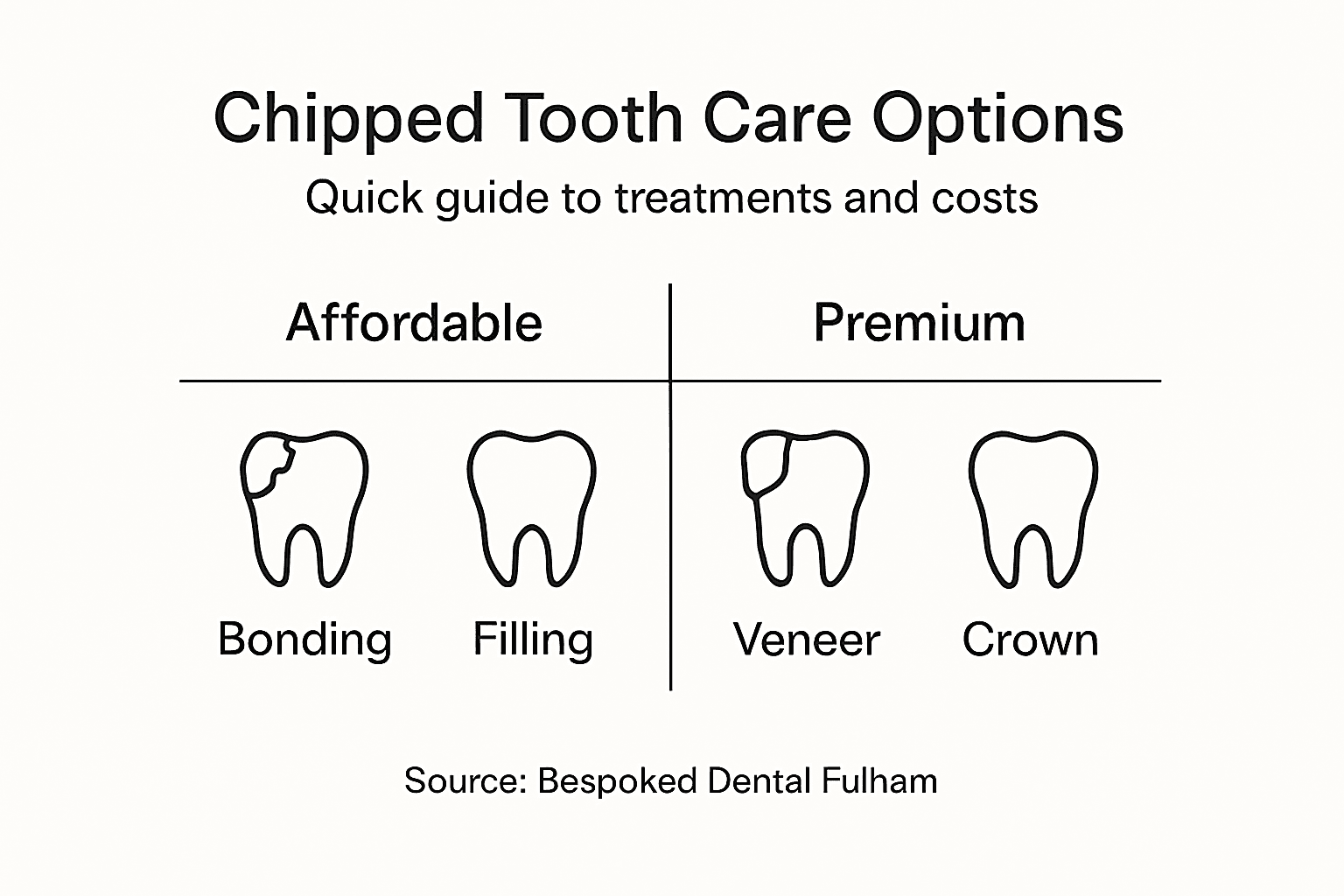
Porcelain veneers and crowns represent a larger investment, ranging from £600–2,000 per tooth. However, they offer superior longevity. Crowns last 10–15 years or longer, whilst veneers typically endure 10–12 years. The durability justifies the cost for larger chips or high-visibility teeth.
Root canal therapy with crown restoration costs £1,200–2,500+ when pulp involvement occurs. This is essential care—not optional. Untreated pulp infections lead to tooth loss and the need for dental implant costs far exceeding initial treatment.
Below is a quick reference for chipped tooth treatment options and their typical costs and longevity:
| Treatment Option | Typical Cost Per Tooth | Expected Longevity |
|---|---|---|
| Composite Bonding | £150–400 | 5–10 years |
| Porcelain Veneer | £600–2,000 | 10–12 years |
| Crown | £600–2,000 | 10–15+ years |
| Root Canal + Crown | £1,200–2,500+ | 10–15+ years |
Longevity depends on three factors:
- Material quality: Premium materials resist staining, wear, and fracture longer
- Placement precision: Advanced digital technology and experienced practitioners provide better precision and lasting results
- Aftercare: Your daily habits—avoiding hard foods, maintaining hygiene, wearing protective gear—extend restoration life
Choosing the right clinic matters enormously. A cheaper restoration from an inexperienced practitioner often fails within years, requiring costly replacement. At Bespoked Dental Fulham in Fulham, we prioritise quality over cost-cutting.
What distinguishes a premium clinic:
- Advanced technology: Digital imaging, intraoral scanning, and CAD/CAM fabrication ensure precision
- Experienced practitioners: Years of training and completed cases translate to superior aesthetic and functional outcomes
- Premium materials: We use high-grade composites, porcelain, and metals that resist degradation
- Transparent pricing: You understand costs upfront—no hidden fees or surprises
- Comprehensive consultation: We discuss all options, timelines, and longevity expectations before treatment
The cheapest treatment isn’t always the best investment; premium clinics deliver durability and aesthetics that justify their cost over years.
In affluent London areas like Fulham and Chelsea, patients typically prioritise quality and discretion over bargain pricing. A restoration that looks unnatural or fails within two years damages both confidence and finances far more than the initial investment difference.
Ask potential clinics about their dentist’s qualifications, the technology they use, warranty policies on restorations, and long-term success rates. Read reviews from real patients in Fulham and surrounding areas.
Pro tip: Request a detailed cost breakdown in writing before treatment; compare not just price but materials, longevity guarantees, and the practitioner’s experience level to identify true value.
Restore Your Smile And Confidence With Expert Care At Bespoked Dental Fulham
A chipped tooth may seem like a small issue but it can cause discomfort, sensitivity, and even risk infection if left untreated. At Bespoked Dental Fulham, we understand these challenges and offer personalised restorative solutions using advanced digital technology to ensure precision and natural aesthetics. Whether your chip is minor or severe, our team delivers Harley Street standard treatments such as composite bonding, porcelain veneers, or crowns designed to restore both function and your smile’s beauty.
Do not wait for a minor chip to turn into a costly emergency. Benefit from our discreet, boutique clinic environment in Fulham and experience treatment tailored to your unique needs. Book a consultation today and take the first step towards lasting dental wellness. Reach out now via Bespoked Dental Fulham to regain your confidence and smile with ease.
Frequently Asked Questions
What causes a chipped tooth?
A chipped tooth typically occurs due to impact, accidental trauma, or biting down on something hard. Even minor chips can expose the inner layers of the tooth, leading to sensitivity and further damage if untreated.
How can I tell if my chipped tooth requires urgent treatment?
The severity of a chipped tooth dictates urgency. Minor chips are cosmetic and can wait weeks for treatment, while moderate chips cause sensitivity and recommend treatment within days. Severe chips involve acute pain and risk of infection, requiring immediate attention.
What are the treatment options for a chipped tooth?
Treatment options vary by severity: minor chips may be repaired with dental bonding, while moderate to severe chips may require porcelain veneers, dental crowns, or root canal therapy followed by a crown. Modern digital dentistry can enhance precision and outcomes for these treatments.
What are the risks of leaving a chipped tooth untreated?
Ignoring a chipped tooth may lead to complications such as increased pain and sensitivity, risk of infection, structural failure of the tooth, and eventual tooth loss. Early treatment is crucial to prevent these issues and ensure simpler, more cost-effective solutions.
Recommended
- Teeth Whitening: Aesthetic Confidence, Safely Achieved
- 6 Types of Dental Implants Explained for Discreet Smiles
- HOW LONG does composite bonding last? | Bespoke Dental Fulham
- Real before & after dental treatment results | Bespoke Dental Fulham
- Guide to Safe Oral Care 2025: Achieve a Healthier Smile – Stop Oral Care